The humble coffee filter, often overlooked in the grand ritual of brewing, plays a surprisingly pivotal role in the final taste of your morning cup. While the beans, grind, and water quality rightfully capture much of the attention, the filter acts as the unsung hero, shaping the clarity, body, and overall flavor profile of your drip coffee. Selecting the right filter is not merely about finding one that fits your machine; it’s about understanding how different materials, shapes, and sizes influence extraction and ultimately, your brewing experience. This guide will help you navigate the world of coffee filters, ensuring every brew is as perfect as you envision.
An Overview of Drip Coffee Makers and Their Filters
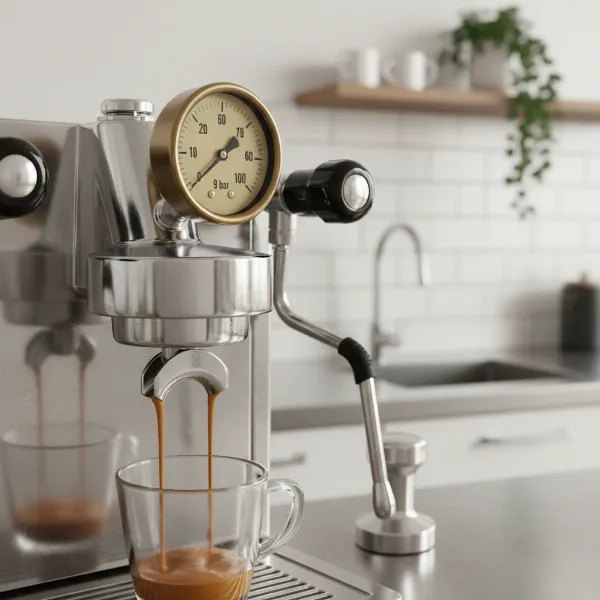
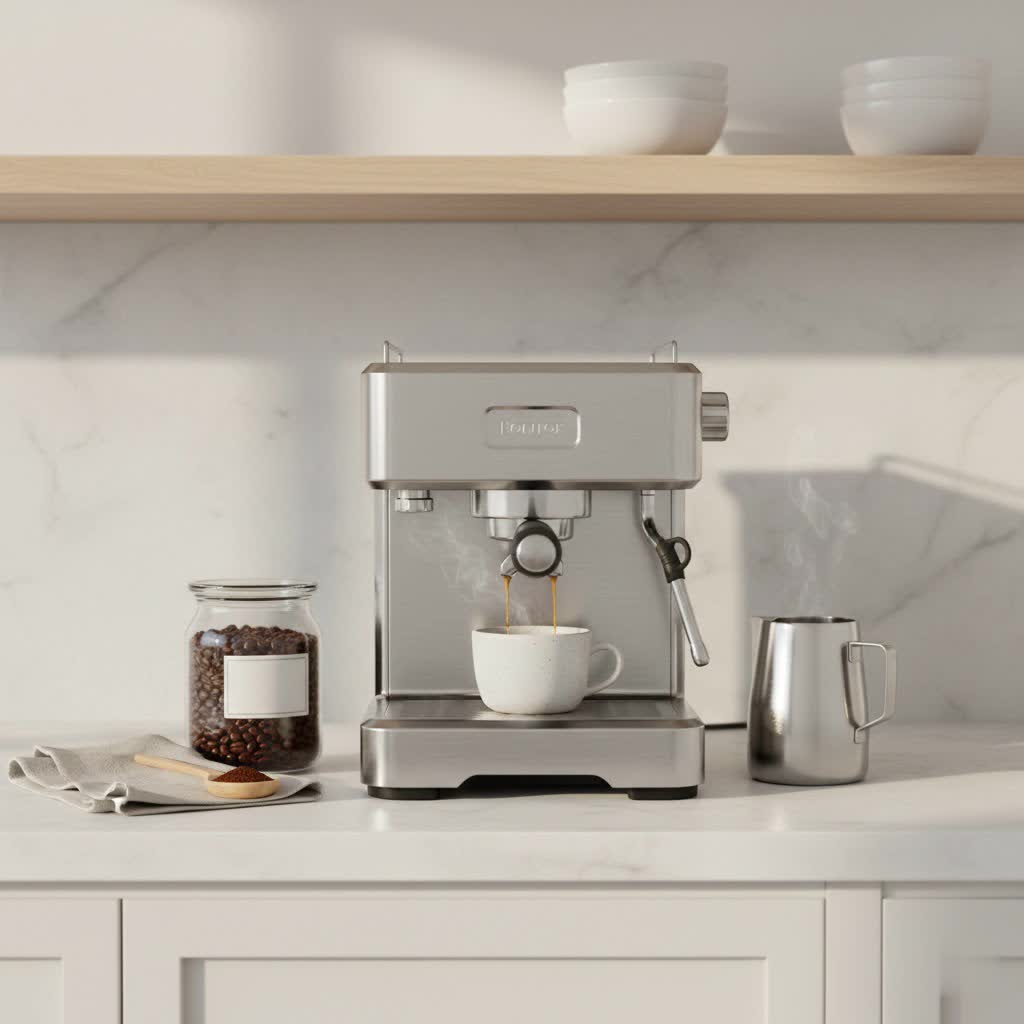
A coffee maker, at its core, is a device designed to brew coffee. From the simplest manual pour-overs to sophisticated automatic espresso machines, their purpose remains the same: to extract flavor from ground coffee. Drip coffee makers, specifically, operate by heating water and showering it over a bed of coffee grounds held within a filter. Gravity then draws the brewed coffee through the filter and into a carafe below.
The history of coffee brewing is long and varied, but drip coffee makers, particularly automatic ones, gained widespread popularity in the 20th century for their convenience and consistency. Early designs often used cloth or reusable metal filters, but the invention of disposable paper filters revolutionized home brewing by offering unparalleled ease of cleanup and a cleaner cup profile. Today, the market is rich with various drip coffee maker styles, from basic models to those with advanced features like programmable timers and integrated grinders. Regardless of the machine’s complexity, the filter remains a critical component, directly impacting the quality of the brew.
Types of Coffee Maker Filters
When it comes to drip coffee makers, the choice typically narrows down to two main categories: paper and reusable metal filters. Each offers a distinct brewing experience.
Paper Coffee Filters
Paper filters are by far the most common choice for drip coffee makers, favored for their convenience and ability to produce a bright, clean cup.
- Advantages:
- Clean Taste: Paper filters are tightly woven and highly absorbent, effectively trapping most coffee oils and fine sediment. This results in a remarkably clean, bright, and often more acidic cup profile, allowing the subtle nuances of the coffee bean to shine through without any bitterness from sediment.
- Easy Cleanup: After brewing, you can simply lift out the filter with the spent grounds and discard it, making cleanup effortless.
- Reduced Cholesterol: By absorbing oils, paper filters can also reduce the diterpenes (compounds like cafestol and kahweol) found in coffee, which some studies suggest can raise cholesterol levels.
- Disadvantages:
- Ongoing Cost & Waste: Paper filters are single-use, leading to continuous purchasing costs and increased waste.
- Potential “Papery” Taste: Unbleached paper filters, if not properly pre-rinsed, can sometimes impart a slight papery taste to the coffee.
- Oil Absorption: While beneficial for a clean cup, the absorption of oils also means less body and a thinner mouthfeel compared to metal filters.
Usage and Maintenance: For optimal results, especially with unbleached filters, it’s recommended to pre-wet the filter with hot water before adding coffee grounds. This rinses away any potential paper taste and helps the filter adhere to the basket. Simply dispose of the used filter and grounds after brewing.
Bleached vs. Unbleached:
- Bleached (White) Filters: These undergo a bleaching process, typically using oxygen (which is environmentally safer than chlorine), resulting in a whiter appearance. Oxygen-bleached filters are generally taste-neutral and do not impart any unwanted flavors.
- Unbleached (Brown) Filters: These filters retain their natural brown color as they have not undergone bleaching. They are often preferred by environmentally conscious consumers. While they can sometimes impart a slight “papery” taste, this can be mitigated by pre-rinsing them thoroughly with hot water before brewing.
|
Our Picks for the Best Coffee maker in 2026
As an Amazon Associate I earn from qualifying purchases.
|
||
| Num | Product | Action |
|---|---|---|
| 1 | Cuisinart 14-Cup Coffee Maker, Programmable PerfecTemp Glass Carafe Coffee Machine with 1-4 Cup Setting, Brew Strength Control and Pause, Stainless Steel, DCC-3200NAS |

|
| 2 | Ninja 12-Cup Programmable Coffee Brewer, 2 Brew Styles, Adjustable Warm Plate, 60oz Water Reservoir, Delay Brew - Black/Stainless Steel |
|
| 3 | Elite Gourmet EHC4128 Automatic 4-Cup Brew & Drip Coffee Maker with Pause N Serve, Glass Carafe, Reusable Filter, On/Off Switch, Keep Warm, Water Level Indicator, Black |
|
| 4 | Keurig K-Mini Single Serve K-Cup Pod Coffee Maker, 6 to 12oz Brew size, with Cord Storage, Perfect for Small Spaces, Black |
|
| 5 | Cuisinart 12 Cup Brew Central Maker Coffee Maker, Black Stainless Steel, DCC-1200BKSNAS |
|
| 6 | Amazon Basics 5 Cup Drip Coffee Maker with Glass Coffee Pot (0.8 Qt), Auto Shut-off, Auto Pause, Removable Filter Basket, Matte Black |
|
| 7 | Hamilton Beach 2-Way Programmable Coffee Maker, 12 Cup Glass Carafe And Single Serve Coffee Maker, Black with Stainless Steel Accents, 49980RG |
|
| 8 | Mr. Coffee Black Coffee Maker, 12 Cups, with Auto Pause and Glass Carafe, Perfect for Home and Office Use |
|
| 9 | Mr. Coffee® 5-Cup Mini Brew Switch Coffee Maker, Black |
|
| 10 | BLACK+DECKER 12-Cup Digital Coffee Maker, Programmable, Washable Basket Filter, Sneak-A-Cup, Auto Brew, Water Window, Keep Hot Plate, Black |
|
Filter Thickness and Porosity: The thickness and porosity of a paper filter can affect the flow rate and extraction. Thicker filters tend to slow down the water flow, potentially enhancing extraction for darker roasts or finely ground coffee, while thinner papers might be better for coarser grinds and lighter roasts.
Reusable Metal Coffee Filters
Reusable metal filters, often made from stainless steel mesh, offer an alternative for those seeking a different flavor profile and a more sustainable brewing option.
- Advantages:
- Fuller Body: Unlike paper, metal filters allow more of the coffee’s natural oils and some fine sediment to pass into the cup. This results in a richer, fuller-bodied coffee with a more pronounced mouthfeel.
- Eco-Friendly: Being reusable, metal filters significantly reduce waste and eliminate the need for continuous filter purchases.
- Cost-Effective: While the initial investment might be higher, they save money in the long run by eliminating recurring paper filter expenses.
- Disadvantages:
- Sediment in Cup: Due to their larger pores, metal filters allow more fine sediment to pass through, which some drinkers might find undesirable.
- More Involved Cleanup: Metal filters require thorough rinsing and occasional scrubbing to remove accumulated coffee oils and grounds, preventing clogs and rancidity.
- Less Clarity: The presence of oils and sediment can result in a less “clean” or “bright” cup compared to paper-filtered coffee.
Usage and Maintenance: Simply place the metal filter in your drip coffee maker’s basket, add grounds, and brew. After use, rinse the filter immediately under hot water to remove grounds and oils. A soft brush can help dislodge stubborn particles. Periodically, you might want to soak it in a mixture of water and vinegar or a specialized coffee cleaner to remove residual oils and keep it pristine.
Other Filter Types
While less common for automatic drip coffee makers, it’s worth briefly mentioning other filter types that exist in the broader coffee world for context:
- Cloth Filters: These are popular in some traditional brewing methods like the Hario Woodneck or for certain pour-over techniques. They offer a clean cup with good body, but require diligent cleaning and drying to prevent bacterial growth and off-flavors.
- Permanent Filters (Built-in): Some drip coffee makers come with a built-in, non-removable filter mesh, often made of nylon or metal. These function similarly to standalone reusable metal filters in terms of flavor and maintenance.
Comparing Coffee Maker Filters
Here’s a comparison to help you weigh the pros and cons of common drip coffee maker filter types:
| Feature | Paper Filter | Reusable Metal Filter |
|---|---|---|
| Material | Cellulose fiber (bleached or unbleached) | Stainless steel mesh |
| Taste Profile | Clean, bright, less body, pronounced acidity | Fuller body, richer, more oils, some sediment |
| Convenience | Very high (dispose and done) | High (no re-buying), but cleaning is required |
| Environmental | Disposable (waste), though some are biodegradable | Eco-friendly (reusable, less waste) |
| Cost | Low per unit, but ongoing expense | Higher upfront, but no recurring cost |
| Maintenance | Minimal (dispose) | Regular rinsing/scrubbing, occasional deep clean |
| Sediment | Virtually none | Some fine sediment present |
| Oil Content | Absorbs most oils | Allows most oils to pass |
Important Filter Features to Consider
Choosing the right filter goes beyond just its material; several other features are crucial for compatibility and optimal brewing.
Size and Shape Compatibility
This is arguably the most critical factor. Drip coffee makers are designed to use specific filter sizes and shapes to ensure proper water flow and extraction.
- Sizes: Paper filters often come with numerical designations:
- #2 Filters: Ideal for smaller drip coffee makers, typically brewing 2-6 cups.
- #4 Filters: The most common size, suitable for standard drip coffee makers brewing 8-12 cups.
- #6 Filters: Used for larger capacity machines, brewing more than 10 cups.
- Always check your coffee maker’s manual or the filter basket itself for the recommended size. Using the wrong size can lead to improper extraction, overflow, or weak coffee.
- Shapes:
- Flat-Bottom (Basket-style): Most common for automatic drip coffee makers. These are round with a flat bottom and flared sides.
- Conical (Cone-shaped): Often used in pour-over brewers like Chemex or Hario V60, but some automatic drip machines also use them. These filters are pointy at the bottom, creating a deeper bed of coffee grounds.
Using the correct shape ensures the coffee bed forms properly and water extracts evenly. Mismatched shapes can lead to channeling and under-extraction.
Material (Paper, Metal)
As discussed, the material directly influences the coffee’s final taste profile, body, and clarity. Your preference for a clean, bright cup versus a rich, full-bodied one will guide this choice.
Bleaching Process (for Paper Filters)
For paper filters, consider whether you prefer bleached (oxygen-bleached for purity) or unbleached (more environmentally friendly) options. While oxygen-bleached filters are generally taste-neutral, unbleached filters may require pre-rinsing to avoid imparting any papery notes to your coffee.
Porosity / Thickness
The porosity or thickness of a filter affects how quickly water flows through the coffee grounds and how much of the fine particles and oils are retained. Thicker filters can slow down the brew, potentially leading to a stronger extraction, while thinner filters may allow for a faster flow and lighter body. Some specialty paper filters even highlight their unique weave or thickness for specific brewing results.
Leading Coffee Filter Brands
Many reputable brands produce high-quality coffee filters that cater to different preferences and machine types.
- Melitta: A pioneer in paper coffee filters, Melitta offers a wide range of flat-bottom and conical paper filters in various sizes. Their filters are widely available and a reliable choice for most drip coffee makers.
- Hario: While famous for pour-over equipment, Hario also produces high-quality conical paper filters, often praised for their consistent flow rate and clean extraction, suitable for conical drip systems.
- Chemex: This brand manufactures its own uniquely thick, bonded paper filters, specifically designed for Chemex brewers. These filters are known for producing an exceptionally clean, sediment-free cup.
- Bonavita/OXO/Cuisinart (for reusable metal filters): Many coffee maker manufacturers also offer their own brand of reusable metal filters, designed to perfectly fit their machines. Third-party brands also produce universal metal filters that can fit various basket-style drip makers.
- Able Kone: Known for high-quality reusable stainless steel cone filters that replace paper filters in many pour-over and conical drip brewers, offering a full-bodied cup.
When choosing, always ensure the brand’s filter is compatible with your specific drip coffee maker model.
Your Guide to Choosing the Right Coffee Filter
Making the best choice for your drip coffee maker filter involves a few key considerations tailored to your personal preferences and equipment.
Assess Your Brewing Preferences
Start by thinking about the kind of coffee you enjoy. Do you prefer a very clean, bright, and sediment-free cup that highlights delicate floral or fruity notes? Then paper filters, especially bleached ones, are likely your best bet. If you favor a richer, bolder, and fuller-bodied coffee with more texture and a hint of fine sediment, a reusable metal filter would be more suitable. Consider if environmental impact is a priority; reusable filters are the clear winner here.
Check Your Drip Coffee Maker’s Requirements
This is non-negotiable. Always consult your coffee maker’s manual or examine the filter basket. It will specify the required filter size (e.g., #2, #4, #6) and shape (flat-bottom basket or conical). Using the incorrect filter can lead to poor extraction, messy overflows, or damage to your machine.
Consider Your Budget and Environmental Impact
Factor in both the initial cost and the long-term expenses. Paper filters are cheap upfront but incur recurring costs. Reusable metal filters have a higher initial price but eliminate ongoing purchases, making them more economical and environmentally friendly in the long run. If you’re conscious about waste, reusable is the way to go.
Read Reviews and Expert Opinions
Before settling on a filter, read reviews from other users, especially those with similar coffee makers or taste preferences. Coffee enthusiast forums and expert reviews can provide valuable insights into specific filter brands and materials. This helps in understanding real-world performance and potential issues.
Tips for Using and Maintaining Your Coffee Filters
Proper usage and maintenance can significantly enhance your coffee experience and prolong the life of your filters.
Pre-wetting Paper Filters
Always pre-wet your paper filter with hot water before adding coffee grounds. This serves two purposes: it removes any residual papery taste that could taint your coffee, especially with unbleached filters, and it helps the filter conform snugly to the basket, preventing channeling.
Regular Cleaning of Reusable Filters
For metal filters, thorough and regular cleaning is crucial. Rinse them immediately after use to remove all coffee grounds. Occasionally, deep clean them by scrubbing with a brush and dish soap, or by soaking them in a mixture of hot water and a descaling solution or white vinegar to remove built-up coffee oils that can become rancid and affect flavor.
Storing Filters Properly
Store paper filters in a dry, enclosed space to prevent them from absorbing ambient odors, which could transfer to your coffee. Keep reusable filters clean and dry when not in use to prevent mold or mildew.
Troubleshooting Common Filter Issues
- Slow Drip: If your coffee is brewing too slowly, check if the filter is clogged with fine grounds, or if the paper filter is too thick for your grind size. For reusable filters, ensure thorough cleaning.
- Sediment in Cup: If you’re getting too much sediment with a paper filter, ensure it’s properly seated and not torn. For metal filters, some sediment is normal; if excessive, consider a slightly coarser grind.
- Weak Coffee: This could be due to an ill-fitting filter allowing water to bypass the grounds, or a grind size that’s too coarse for your chosen filter type.
Conclusion
The choice of coffee filter for your drip machine, while seemingly minor, holds considerable sway over the quality of your brew. Whether you opt for the crisp clarity of a paper filter or the robust body imparted by a reusable metal one, understanding the nuances of each type empowers you to craft a cup that perfectly aligns with your preferences. By considering material, size, shape, and maintenance, you unlock the full potential of your coffee beans. What kind of coffee experience are you hoping to create with your next filter choice?
Frequently Asked Questions
Do coffee filters really affect the taste of my coffee?
Absolutely. Paper filters absorb more oils and fine particles, leading to a cleaner, brighter, and less bitter cup. Metal filters allow more oils and micro-sediment through, resulting in a fuller-bodied, richer, and often bolder flavor profile.
Is it better to use bleached or unbleached coffee filters?
From a taste perspective, oxygen-bleached filters are generally preferred as they are taste-neutral. Unbleached filters are more environmentally friendly but should be pre-rinsed with hot water to remove any potential papery taste before brewing.
What size coffee filter do I need for my drip coffee maker?
Most standard drip coffee makers use #4 basket-style paper filters. Smaller machines (2-6 cups) typically require #2 filters. Always check your specific coffee maker’s manual or the filter basket for the recommended size and shape to ensure proper fit and brewing.
Can I reuse paper coffee filters?
While some thicker paper filters can be rinsed and reused a limited number of times, it’s generally not recommended for optimal flavor. Paper fibers break down, and residual oils can become rancid, affecting the taste. Reusable metal filters are designed for multiple uses.
Are reusable metal coffee filters worth it?
Reusable metal filters are a worthwhile investment if you prefer a fuller-bodied coffee, want to reduce waste, and are willing to perform the extra cleaning required. They are more eco-friendly and cost-effective in the long run compared to continuous paper filter purchases.
How often should I clean my reusable metal coffee filter?
You should rinse your reusable metal filter immediately after every use to prevent grounds and oils from drying and sticking. A more thorough cleaning with soap and water, or an occasional soak in a descaling solution, is recommended weekly or bi-weekly depending on usage to remove built-up coffee oils.
Does the thickness of a paper filter matter?
Yes, the thickness and porosity of a paper filter can influence the flow rate of water through the coffee grounds. Thicker filters tend to slow down the extraction, which can be beneficial for certain grind sizes or roast levels, while thinner filters may allow for faster brewing.