The daily ritual of coffee is a cornerstone for countless individuals, a moment of warmth and invigoration that kickstarts the day or provides a much-needed break. Yet, with the evolving landscape of coffee technology, many find themselves at a crossroads: should they embrace the ultra-convenient coffee pod machine or stick to the rich, time-honored tradition of brewing with ground coffee? The answer isn’t always straightforward, and with new innovations continually emerging, making the right choice in 2026 demands a clear understanding of what each method offers. This article will delve into a comprehensive comparison, evaluating each system on key factors like convenience, taste, cost, and environmental impact, to help you make an informed decision for your perfect cup.
Understanding Coffee Pod Machines
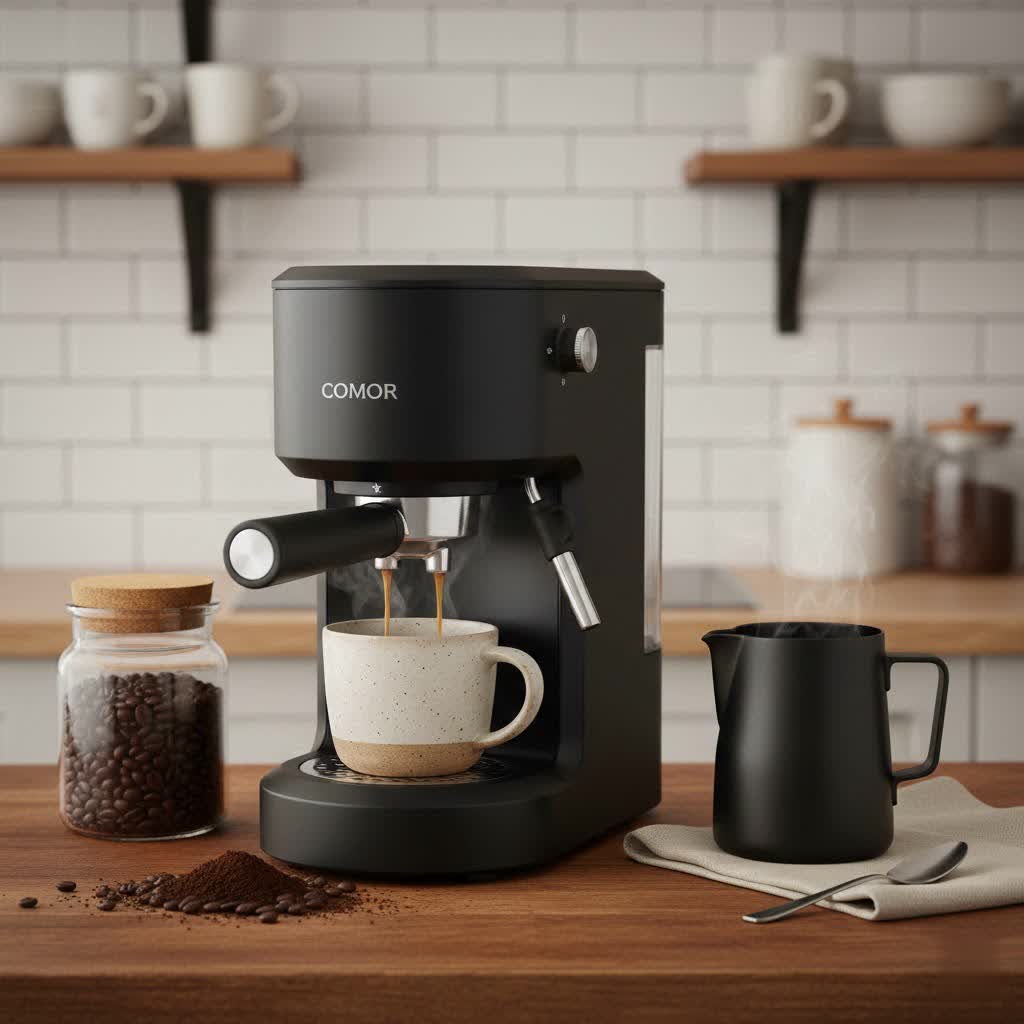
Coffee pod machines have revolutionized the way many people approach their morning brew, prioritizing speed and simplicity above all else. At their core, these machines utilize pre-packaged, single-serve units—often called pods or capsules—that contain pre-ground coffee. These pods are designed to be inserted into a compatible machine, which then punctures them, forces hot water through the coffee, and delivers a fresh cup in a matter of seconds. This technology emerged from a growing demand for quick, consistent results without the fuss of traditional brewing methods.
The appeal of coffee pod machines lies in their undeniable advantages. They offer unparalleled convenience and speed; you simply pop in a pod and press a button for instant gratification, ideal for rushed mornings. Minimal cleanup is another major draw; there’s no messy grinding, no filters to dispose of, just a used pod to discard. Pods also ensure a consistent taste with every brew, guaranteeing a predictable and enjoyable flavor profile cup after cup. Furthermore, the market boasts a wide variety of flavors and roasts in pod form, allowing users to explore different coffee experiences easily.
However, this convenience often comes with trade-offs. One of the most significant is the higher cost per cup; the premium for pre-packaged pods typically makes them more expensive than loose ground coffee in the long run. Environmental impact is another considerable concern due to the proliferation of single-use pods and their associated waste. From a connoisseur’s perspective, pod machines offer limited customization, with fixed grind sizes and extraction parameters, which can sometimes result in a less nuanced or complex flavor compared to freshly ground beans. While convenient, the machines themselves can sometimes have a shorter lifespan due to more complex internal components.
Exploring Traditional Ground Coffee
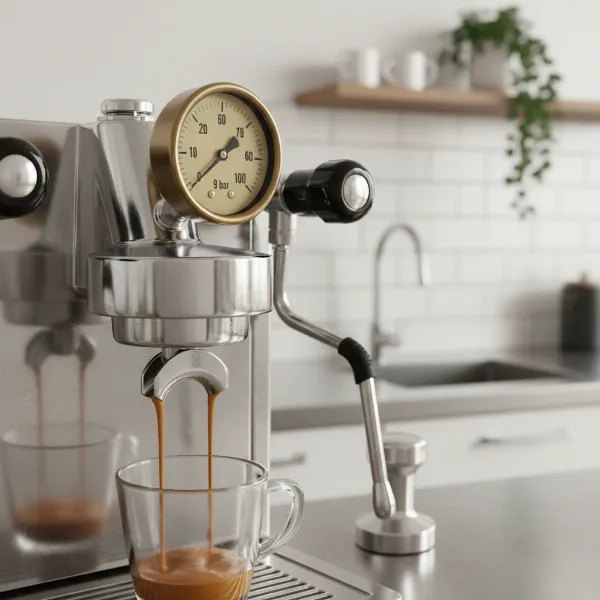
For many coffee enthusiasts, traditional ground coffee remains the gold standard, representing a ritualistic and highly customizable approach to brewing. This method involves using coffee beans that are ground to a specific consistency—either at home just before brewing or purchased pre-ground—and then brewed using a wide array of techniques. From drip coffee makers and French presses to Moka pots, pour-over systems, and sophisticated espresso machines, the world of ground coffee offers a diverse and engaging experience. This is the classic, time-honored method of coffee preparation, deeply rooted in the history and culture of coffee drinking.
The benefits of traditional ground coffee are substantial, especially for those who cherish the craft of brewing. It consistently delivers a richer, more nuanced flavor and aroma, particularly when whole beans are freshly ground just before use, capturing volatile aromatics that pre-ground coffee often loses. The level of customization is unparalleled; you have complete control over grind size, water temperature, brew time, and coffee-to-water ratio, allowing you to tailor each cup precisely to your taste. In terms of economics, ground coffee is generally lower cost per cup in the long term, as whole beans are typically more budget-friendly than pods. Greater environmental sustainability is another key advantage, with compostable coffee grounds and less packaging waste. For those who appreciate the journey as much as the destination, the act of preparing ground coffee offers a fresher taste and a more engaging experience. Moreover, high-quality ground coffee machines, especially traditional espresso makers, are often built to last, offering a longer lifespan.
Yet, the traditional method isn’t without its challenges. It requires more effort and time, from grinding beans to measuring and monitoring the brewing process, which can be a deterrent on busy mornings. Consequently, it also demands more cleanup compared to the virtually mess-free pods. Achieving consistent results can be tricky for beginners, as slight variations in technique can significantly impact the final cup. The initial equipment cost can also be higher, especially if you invest in a quality grinder and a sophisticated brewing machine. Furthermore, a traditional setup often takes up more counter space.
Key Factors in the Pod vs. Ground Coffee Debate
When deciding between coffee pod machines and traditional ground coffee, several critical factors come into play, each weighing differently depending on your personal priorities and lifestyle.
Convenience and Speed: This is arguably the most distinct differentiator. Pod machines are the champions of speed, delivering a hot cup in under a minute with minimal effort. Ground coffee, by contrast, involves a more hands-on process, from grinding and measuring to brewing, appealing more to those who enjoy the ritual.
Taste and Aroma: For many, the ultimate goal is a delicious cup. Freshly ground coffee typically offers a superior taste experience, characterized by richer flavors, more complex aromatics, and greater depth. Pods provide a consistent but often less nuanced flavor profile, though quality is continuously improving.
Cost Efficiency: While pod machines often have a lower initial purchase price, the recurring cost of pods quickly adds up, making them more expensive per cup. Ground coffee, despite potentially higher upfront equipment costs, becomes significantly more economical over time.
Environmental Impact: Sustainability is a growing concern for consumers in 2026. Traditional ground coffee, especially when paired with whole beans and reusable filters, generates considerably less waste. Single-use coffee pods, though increasingly offered in recyclable or compostable options, still pose a larger environmental challenge.
Customization and Control: Ground coffee offers unparalleled control over every aspect of the brewing process—from grind size and water temperature to brew time and strength. Pod machines, by design, limit these variables, offering less opportunity for personal experimentation and fine-tuning.
Maintenance and Cleanup: Pod machines are celebrated for their virtually mess-free operation. Used pods are simply discarded. Ground coffee brewing, however, requires more involved cleaning, including daily rinsing of components and regular deep cleaning to maintain machine performance and hygiene.
Initial Investment: The upfront cost of a basic coffee pod machine can be quite low, making it an accessible entry point. A quality ground coffee setup, particularly one that includes a good grinder and a versatile brewer, often represents a higher initial investment.
A Comparative Overview: Pod Machines vs. Ground Coffee
To simplify your decision, here’s a quick comparison of the two brewing methods across key metrics:
| Feature | Coffee Pod Machines | Traditional Ground Coffee |
|---|---|---|
| Convenience & Speed | Very High (fast, simple, minimal cleanup) | Moderate (more steps, grinding, measuring, brewing) |
| Taste & Freshness | Consistent, but often less nuanced; pre-sealed | Rich, complex, fresh; highly customizable |
| Cost per Cup | Higher (due to pod premium) | Lower (whole beans generally more economical) |
| Environmental Impact | Higher (single-use pods, waste generation) | Lower (compostable grounds, less packaging) |
| Customization | Limited (fixed grind, extraction parameters) | Very High (control over grind, brew time, temperature) |
| Equipment Cost | Often Lower initial machine cost | Higher initial investment (quality grinder, brewer) |
| Cleanup | Minimal (discard used pod) | More involved (daily rinse, weekly deep cleaning required) |
| Variety of Coffee | Wide range of pre-packaged flavors/roasts | Unlimited choice of whole beans, roasts, origins, blends |
| Machine Longevity | Can be shorter due to complex plastic components | Often longer for well-maintained, premium models |
Making Your Choice: Which Coffee System is Right for You?
The “best” coffee system isn’t universal; it’s deeply personal, shaped by your daily routine, preferences, and values.
Consider Your Lifestyle: Are your mornings a race against the clock, where every second counts? A pod machine’s speed might be indispensable. Or do you savor a more unhurried pace, finding joy in the ritual of preparation? Ground coffee offers that enriching experience.
Prioritize Taste: Are you content with a consistently good, straightforward cup, or are you a connoisseur who seeks nuanced flavors, specific aromas, and the ability to fine-tune every brew to perfection? If the latter, ground coffee is your path.
Evaluate Your Budget: Look beyond the initial machine price. Factor in the long-term cost per cup. If you consume a lot of coffee, the cumulative savings from ground beans can be substantial, despite a potentially higher upfront investment in equipment.
Environmental Conscience: If minimizing your ecological footprint is a high priority, opting for ground coffee with sustainable practices (e.g., composting grounds, buying ethically sourced beans) will align better with your values.
Space and Maintenance: Consider your kitchen counter space and your willingness to engage in daily cleaning routines. Pod machines are compact and tidy; ground coffee setups, especially those with grinders, require more real estate and consistent attention to maintenance.
Future of Coffee Brewing: Trends in 2026 and Beyond
As we look towards 2026, the coffee brewing landscape continues to evolve. For pod machines, there’s a significant drive towards greater sustainability, with an increasing number of brands offering biodegradable, compostable, or easily recyclable capsules. Smart features, such as app-controlled brewing and personalized recommendations, are also becoming more commonplace in both pod and traditional machines. The premiumization of home brewing is a notable trend, with consumers investing in high-quality grinders and advanced espresso machines to replicate café-level experiences with ground coffee. These innovations aim to bridge the gap between convenience and quality, offering more sophisticated options for every type of coffee lover.
In the end, the choice between coffee pod machines and traditional ground coffee boils down to a thoughtful balance of convenience, taste, cost, and your personal values. Pod machines offer ultimate convenience and consistency, perfect for the modern, fast-paced lifestyle. Traditional ground coffee, on the other hand, delivers superior flavor depth, customization, and a more sustainable approach for those who cherish the craft and ritual of brewing. Both have their merits, and the “best” option is simply the one that most perfectly complements your individual coffee philosophy. Which brewing method will define your perfect cup in 2026?
Frequently Asked Questions
What is the primary advantage of coffee pod machines?
|
Our Picks for the Best Coffee maker in 2026
As an Amazon Associate I earn from qualifying purchases.
|
||
| Num | Product | Action |
|---|---|---|
| 1 | Amazon Basics 5 Cup Drip Coffee Maker with Glass Coffee Pot (0.8 Qt), Auto Shut-off, Auto Pause, Removable Filter Basket, Matte Black |

|
| 2 | Elite Gourmet EHC4128 Automatic 4-Cup Brew & Drip Coffee Maker with Pause N Serve, Glass Carafe, Reusable Filter, On/Off Switch, Keep Warm, Water Level Indicator, Black |
|
| 3 | Cuisinart 12 Cup Brew Central Maker Coffee Maker, Black Stainless Steel, DCC-1200BKSNAS |
|
| 4 | Mr. Coffee Black Coffee Maker, 12 Cups, with Auto Pause and Glass Carafe, Perfect for Home and Office Use |
|
| 5 | Mr. Coffee® 5-Cup Mini Brew Switch Coffee Maker, Black |
|
| 6 | Keurig K-Mini Single Serve K-Cup Pod Coffee Maker, 6 to 12oz Brew size, with Cord Storage, Perfect for Small Spaces, Black |
|
| 7 | Cuisinart 14-Cup Coffee Maker, Programmable PerfecTemp Glass Carafe Coffee Machine with 1-4 Cup Setting, Brew Strength Control and Pause, Stainless Steel, DCC-3200NAS |
|
| 8 | Hamilton Beach 2-Way Programmable Coffee Maker, 12 Cup Glass Carafe And Single Serve Coffee Maker, Black with Stainless Steel Accents, 49980RG |
|
| 9 | Ninja 12-Cup Programmable Coffee Brewer, 2 Brew Styles, Adjustable Warm Plate, 60oz Water Reservoir, Delay Brew - Black/Stainless Steel |
|
| 10 | BLACK+DECKER 12-Cup Digital Coffee Maker, Programmable, Washable Basket Filter, Sneak-A-Cup, Auto Brew, Water Window, Keep Hot Plate, Black |
|
Coffee pod machines excel in convenience and speed, delivering a consistent cup of coffee with minimal effort and cleanup. This makes them ideal for busy individuals who prioritize a quick and reliable brew.
Is ground coffee more environmentally friendly than coffee pods?
Generally, yes. Traditional ground coffee, especially when using whole beans and reusable filters, generates less waste compared to single-use plastic or aluminum coffee pods. However, many pod brands are actively developing more sustainable and recyclable options to address this concern.
Do coffee pods offer the same quality as freshly ground coffee?
While coffee pods offer a consistent taste experience, freshly ground coffee typically provides a richer, more nuanced flavor and aroma. This is due to the ability to control factors like grind size, bean freshness, and brewing parameters, which are often fixed with pods.
How much more expensive are coffee pods per cup?
Coffee pods are generally more expensive per cup than traditional ground coffee, sometimes significantly so. This higher cost is attributed to the premium associated with single-serve packaging and brand-specific capsule technology.
Can I use my own ground coffee in a pod machine?
Some pod machines offer reusable, refillable pods that allow users to add their own ground coffee. This provides a versatile compromise between the convenience of a pod system and the customization of traditional brewing, though compatibility varies by machine model.
What should I consider for initial investment?
Pod machines often have a lower initial purchase price, making them a budget-friendly entry point. Conversely, a quality ground coffee setup, including a good grinder and brewer, may require a higher upfront investment, though this is often offset by lower long-term per-cup costs.