Stepping into the vast world of coffee machines can feel overwhelming, with countless options promising the perfect brew. For many coffee enthusiasts, the fundamental choice boils down to a classic dilemma: do you embrace the art of manual brewing or lean into the convenience of an automatic system? Both manual and automatic coffee makers offer distinct advantages and a unique brewing experience, each impacting the performance of your daily cup in profound ways. Understanding these differences in depth is key to choosing the coffee maker that perfectly aligns with your lifestyle, palate, and desired level of involvement in the brewing process. This comprehensive guide delves into the intricate performance aspects of manual and automatic coffee machines, helping you navigate this essential decision to achieve your ideal coffee ritual.
An Overview of Coffee Makers
A coffee maker, at its core, is a device designed to brew coffee from ground beans, transforming them into the beloved beverage we enjoy daily. The journey of the coffee maker is a fascinating one, evolving from simple manual methods used for centuries to today’s highly sophisticated automatic systems. Historically, coffee preparation was a hands-on endeavor, relying on methods like boiling ground coffee with water. Over time, innovations led to devices that refined this process, eventually paving the way for the mechanical and electrical marvels we recognize today.
On the market, coffee makers broadly fall into two main categories: manual and automatic. Manual coffee makers require significant user interaction, giving you full command over each brewing variable. Examples include the French press, pour-over drippers, AeroPress, and classic Moka pots. In contrast, automatic coffee makers handle most, if not all, steps of the brewing process with minimal human intervention. This category encompasses drip coffee machines, single-serve pod systems, semi-automatic espresso machines, and super-automatic espresso machines. Each type offers a unique pathway to your daily dose of caffeine, distinguished by its design, operation, and the final cup it produces.
Classifying Coffee Makers
To truly understand the performance differences, it’s essential to classify the main types of coffee makers and their operational nuances.
Drip Coffee Makers (Automatic)
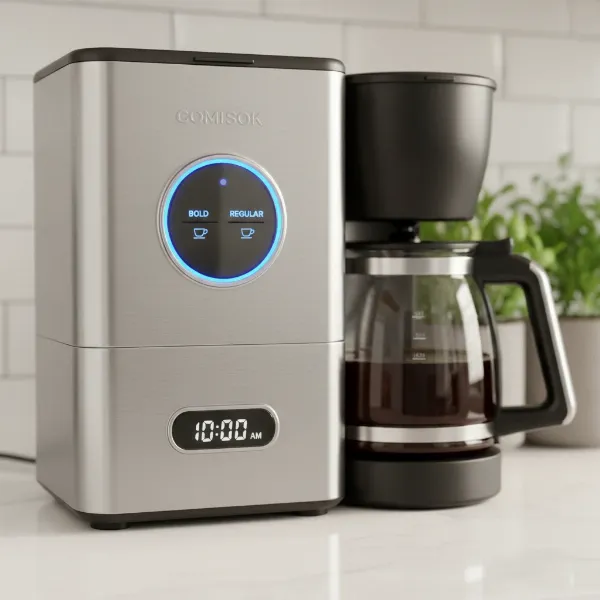
Drip coffee makers are among the most common automatic machines, known for their simplicity and ability to brew larger batches. They work by heating water and dripping it over a bed of ground coffee contained in a filter, with the brewed coffee collecting in a carafe below.
- Pros: Highly convenient, easy to use, consistent results, can brew large quantities quickly, often affordable.
- Cons: Less control over brewing variables (temperature, bloom time), can lead to a less nuanced flavor profile if not high-end, requires regular descaling.
- Usage and Maintenance: Typically involves adding water to a reservoir, placing ground coffee in a filter basket, and pressing a button. Regular cleaning of the carafe and filter basket, along with periodic descaling to remove mineral buildup, is crucial for optimal performance.
|
Our Picks for the Best Coffee maker in 2026
As an Amazon Associate I earn from qualifying purchases.
|
||
| Num | Product | Action |
|---|---|---|
| 1 | Elite Gourmet EHC4128 Automatic 4-Cup Brew & Drip Coffee Maker with Pause N Serve, Glass Carafe, Reusable Filter, On/Off Switch, Keep Warm, Water Level Indicator, Black |

|
| 2 | Amazon Basics 5 Cup Drip Coffee Maker with Glass Coffee Pot (0.8 Qt), Auto Shut-off, Auto Pause, Removable Filter Basket, Matte Black |
|
| 3 | BLACK+DECKER 12-Cup Digital Coffee Maker, Programmable, Washable Basket Filter, Sneak-A-Cup, Auto Brew, Water Window, Keep Hot Plate, Black |
|
| 4 | Hamilton Beach 2-Way Programmable Coffee Maker, 12 Cup Glass Carafe And Single Serve Coffee Maker, Black with Stainless Steel Accents, 49980RG |
|
| 5 | Mr. Coffee Black Coffee Maker, 12 Cups, with Auto Pause and Glass Carafe, Perfect for Home and Office Use |
|
| 6 | Ninja 12-Cup Programmable Coffee Brewer, 2 Brew Styles, Adjustable Warm Plate, 60oz Water Reservoir, Delay Brew - Black/Stainless Steel |
|
| 7 | Cuisinart 12 Cup Brew Central Maker Coffee Maker, Black Stainless Steel, DCC-1200BKSNAS |
|
| 8 | Cuisinart 14-Cup Coffee Maker, Programmable PerfecTemp Glass Carafe Coffee Machine with 1-4 Cup Setting, Brew Strength Control and Pause, Stainless Steel, DCC-3200NAS |
|
| 9 | Mr. Coffee® 5-Cup Mini Brew Switch Coffee Maker, Black |
|
| 10 | Keurig K-Mini Single Serve K-Cup Pod Coffee Maker, 6 to 12oz Brew size, with Cord Storage, Perfect for Small Spaces, Black |
|
Espresso Coffee Makers
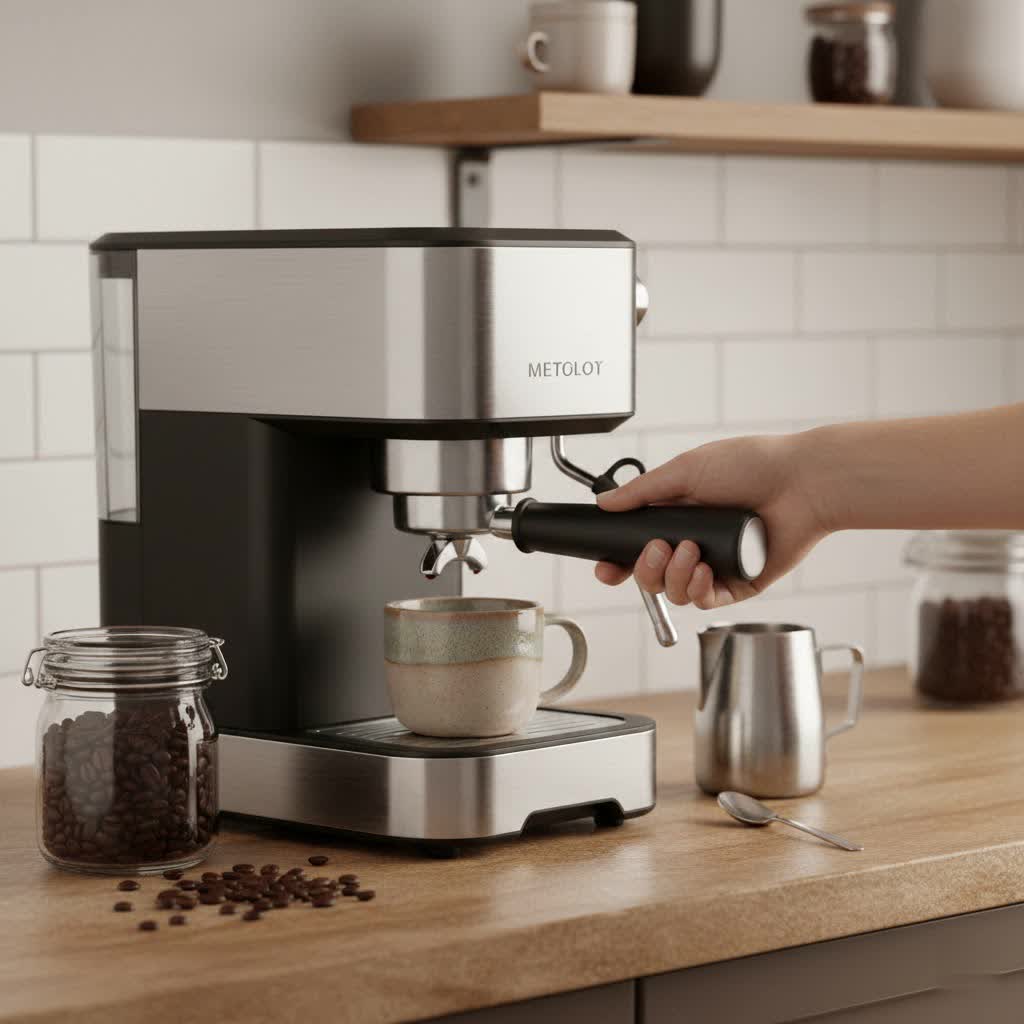
Espresso machines are designed to force hot, pressurized water through finely ground coffee, producing a concentrated shot known as espresso. This category includes a spectrum from highly manual to fully automatic systems.
Manual Espresso Machines
These often involve a lever mechanism where the user physically applies pressure to extract the shot.
- Pros: Unparalleled control over pressure, pre-infusion, and extraction time; allows for ultimate customization and often the highest quality espresso with skill; durable.
- Cons: Steep learning curve, requires considerable skill and practice, time-consuming, inconsistent results for beginners.
- Usage and Maintenance: Users manually grind, tamp, and then pull a lever to control the shot. Cleaning involves purging the group head, cleaning the portafilter, and regular descaling.
Automatic and Super-Automatic Espresso Machines
Automatic espresso machines use pumps to create pressure and feature programmable settings for shot volume. Super-automatic models go a step further, integrating a grinder, tamping mechanism, and even milk frothers, handling the entire process from bean to cup.
- Pros: Extreme convenience, consistent shot volume and temperature, quick preparation, often includes milk frothing, ideal for busy individuals or offices.
- Cons: Higher initial cost, less control over extraction variables compared to manual, built-in grinders may offer limited quality, complex internal cleaning and maintenance for milk systems.
- Usage and Maintenance: Typically involves adding beans and water, selecting desired drink, and pressing a button. Maintenance can involve daily rinsing of milk systems, emptying drip trays and puck containers, and regular descaling and cleaning of internal brewing units.
Capsule Coffee Makers (Automatic)
Capsule coffee makers utilize pre-portioned coffee capsules or pods, making brewing incredibly simple and mess-free.
- Pros: Ultimate convenience, extremely fast brewing, consistent results, no grinding or measuring required, wide variety of beverage options.
- Cons: Limited customization, higher cost per cup, environmental concerns with single-use pods, taste quality can be variable depending on the system.
- Usage and Maintenance: Insert a capsule, fill the water reservoir, and press a button. Cleaning is minimal, usually limited to rinsing the water tank and drip tray, with occasional descaling.
French Press Coffee Makers (Manual)
The French press is a full-immersion brewing method where coarse-ground coffee steeps in hot water before being separated by a plunger with a mesh filter.
- Pros: Produces a rich, full-bodied coffee with excellent flavor extraction, simple design, no paper filters needed, portable, affordable.
- Cons: Requires manual grinding and timing, can leave sediment in the cup, cleaning can be a bit messy, not ideal for quick brewing.
- Usage and Maintenance: Involves adding coffee and hot water, letting it steep for a few minutes, then pressing the plunger. Cleaning requires discarding grounds and washing the carafe and plunger assembly thoroughly.
Moka Pot Coffee Makers (Manual)
The Moka pot, a stovetop espresso maker, brews coffee by passing boiling water pressurized by steam through ground coffee.
- Pros: Produces strong, concentrated coffee similar to espresso, compact, durable, relatively inexpensive, no electricity needed.
- Cons: Requires monitoring on the stovetop, can produce bitter coffee if overheated or grounds are too fine, cleaning can be tedious if not done regularly.
- Usage and Maintenance: Fill the bottom chamber with water, add ground coffee to the filter basket, screw on the top, and place on a heat source. Cleaning involves disassembling and rinsing all parts, being careful to avoid harsh detergents on aluminum models.
Feature Comparison: Manual vs. Automatic
When evaluating the performance of manual versus automatic coffee makers, several key features and aspects come into play.
Ease of Use & Convenience
Automatic coffee makers are unequivocally the champions of convenience. With just the press of a button, or even a pre-set timer, they deliver a consistent cup with minimal effort. Super-automatic espresso machines, for instance, grind beans, tamp, brew, and even froth milk automatically, making complex coffee drinks accessible to anyone. Manual machines, by contrast, demand a hands-on approach, requiring careful measurement, timing, and technique at every step. This can be a delightful ritual for some but a time-consuming chore for others.
Coffee Quality & Customization
This is where manual coffee makers often shine, especially for connoisseurs. Manual methods provide superior control over variables such as grind size, water temperature, brew time, and extraction pressure. This level of control allows users to experiment and fine-tune every aspect to extract the most nuanced and specific flavor profiles from their coffee beans. The result, in skilled hands, is often a more complex, richer, and higher-quality cup of coffee tailored precisely to individual taste. Automatic machines, while delivering consistent results, typically offer less flexibility. Their pre-programmed settings mean less opportunity for customization, which can sometimes lead to a less vibrant or “watered down” taste compared to a meticulously brewed manual cup.
Speed & Consistency
Automatic coffee makers excel in speed and consistency. They can produce coffee much faster, making them ideal for busy mornings or high-volume situations. The automated process ensures uniform results with minimal effort, providing a reliably consistent cup every time. Manual brewing, however, is inherently slower due to the multiple steps and attention required. While a skilled barista can achieve remarkable consistency with a manual machine, it demands precision and focus, and variability is higher, especially for beginners.
Cost & Durability
Generally, manual coffee makers tend to have a lower initial cost compared to their automatic counterparts. Their simpler designs with fewer electronic components also often translate to greater durability and a longer lifespan, as there are fewer parts to malfunction. Automatic machines, especially super-automatics with advanced features, represent a significant upfront investment. While they offer convenience, their complex electronics and moving parts can be more prone to issues over time, potentially leading to higher maintenance and repair costs.
Maintenance & Cleaning
Both types of machines require maintenance, but the nature of it differs. Manual brewers are often easier to clean, with readily removable parts that can be hand-washed. The cleaning process is usually straightforward, involving rinsing components and occasional descaling. Automatic machines, particularly those with built-in grinders and milk systems, can have more complex cleaning routines. While some feature self-cleaning cycles, internal components, milk lines, and brewing units require diligent regular cleaning to prevent residue buildup, which can affect taste and machine longevity. Neglecting maintenance can lead to poor coffee quality or even damage to the machine.
Barista Skill Requirement
Manual coffee makers demand a certain level of skill and a willingness to learn. Mastering variables like grind size, water temperature, and extraction time can be a rewarding journey for coffee enthusiasts, transforming brewing into an engaging ritual. Automatic coffee makers, on the other hand, require virtually no specialized skill. They are designed for ease of use, making barista-quality beverages accessible to everyone, regardless of their coffee-making experience.
Comparing Manual and Automatic Coffee Makers: A Table
To summarize the key performance aspects, here’s a comparative table:
| Feature | Manual Coffee Makers | Automatic Coffee Makers |
|---|---|---|
| Price (Initial) | Generally Lower | Generally Higher |
| Coffee Quality | Potentially Higher (with skill) | Consistent (good, but less customizable) |
| Convenience | Low (hands-on, ritualistic) | High (push-button, programmable) |
| Durability | High (fewer complex parts) | Moderate (more electronic/moving parts) |
| Ease of Cleaning | High (simpler, accessible parts) | Variable (some self-cleaning, complex internal systems) |
| Skill Required | High (learning curve for optimal results) | Low (beginner-friendly) |
| Customization | Excellent (full control over variables) | Limited (pre-set programs) |
| Speed | Slower (manual steps involved) | Faster (quick, efficient brewing) |
Essential Features of Coffee Makers
Beyond the manual-vs-automatic debate, several features are universally important when evaluating any coffee maker’s performance and suitability.
Capacity
The capacity of a coffee maker refers to the amount of coffee it can brew at one time. Drip machines often range from 4-cup to 12-cup carafes, while espresso machines typically brew single or double shots. Consider your daily consumption and whether you need to brew for multiple people or just yourself.
Power/Wattage
Higher wattage generally means faster heating and more consistent water temperature, which are crucial for optimal extraction. For espresso machines, consistent power ensures stable pressure.
Pressure (for Espresso)
For espresso machines, pressure is paramount. Espresso is brewed under high pressure, typically around 9 bars, to extract rich flavors and create crema. Manual lever machines allow direct user control over this pressure, while automatic pump-driven machines maintain a consistent, pre-set pressure.
Timer Function
Many automatic drip coffee makers and some automatic espresso machines feature programmable timers, allowing you to wake up to a freshly brewed cup. This is a significant convenience feature, optimizing your morning routine.
Keep Warm Function
Found primarily in drip coffee makers, a keep-warm function maintains the temperature of the brewed coffee in the carafe for a certain period. While convenient, prolonged warming can sometimes degrade coffee quality.
Filter Type
Coffee makers use various filter types: paper filters (disposable, clean taste), permanent mesh filters (reusable, some sediment), and integrated espresso machine filters (portafilters). Each impacts the final taste and cleanup.
Material Quality
The materials used in a coffee maker, from the brewing components to the casing, influence durability, taste neutrality, and ease of cleaning. Stainless steel, glass, and high-quality plastics are common and preferred for longevity and hygiene.
Renowned Coffee Maker Brands
Several brands have established reputations for quality in the coffee maker market, catering to both manual and automatic preferences. For automatic drip coffee, brands like Keurig, Cuisinart, and Bonavita are popular. In the automatic espresso realm, De’Longhi, Jura, and Breville are highly regarded for their semi-automatic and super-automatic machines. For manual brewing, Chemex and Hario are staples for pour-over, while Aerobie (AeroPress) and Bodum are known for their French presses and Moka pots. Choosing a brand with a strong track record often ensures better performance and reliability.
Choosing the Ideal Coffee Maker (Buying Guide)
Selecting the perfect coffee maker requires thoughtful consideration of your personal preferences and needs.
Define Your Brewing Needs
Consider how much coffee you drink, how often, and for whom. Do you need a quick, consistent cup before work, or do you enjoy a leisurely weekend brewing ritual? Do you prefer espresso, drip, or a rich French press? Your preferred drink type and volume are critical starting points.
Set Your Budget
Coffee makers range widely in price, from under fifty dollars for basic manual brewers to several thousand for high-end super-automatic espresso machines. Determine your budget, remembering to factor in ongoing costs like beans, filters, and potential maintenance. A good quality entry-level manual machine can be very affordable, while automatic convenience often comes at a premium.
Research Machine Types
Educate yourself on the different brewing methods and machine types available. Understand the mechanics and the kind of coffee each produces. Visiting coffee shops or friends who own different machines can provide valuable hands-on experience and taste tests.
Compare Brands & Models
Once you’ve narrowed down the type of machine, compare specific brands and models. Look at their features, specifications, and what sets them apart. A slightly higher price for better build quality or essential features can be a worthwhile investment in the long run.
Read User Reviews
Online reviews from other users can offer invaluable insights into real-world performance, common issues, ease of use, and overall satisfaction. Pay attention to both positive and negative feedback regarding consistency, durability, and customer service.
Purchase from Reputable Retailers
Buying from authorized and reputable retailers ensures you receive a genuine product, proper warranty coverage, and reliable customer support. This is particularly important for more complex or expensive automatic machines.
Tips for Using and Maintaining Your Coffee Maker
Proper usage and consistent maintenance are crucial for maximizing the performance and lifespan of any coffee maker, whether manual or automatic.
Regular Cleaning
The single most important maintenance step is regular cleaning. Coffee oils and residues can quickly build up, leading to off-flavors and clogging. For all machines, this means daily rinsing of components that come into contact with coffee and water. For espresso machines, backflushing and purging steam wands are daily tasks. For automatic drip machines, regularly washing the carafe and filter basket is key.
Use Quality Water
The quality of your water significantly impacts the taste of your coffee and the longevity of your machine. Filtered water is always recommended to reduce mineral buildup (scale) and remove impurities that can affect flavor. Hard water, in particular, will necessitate more frequent descaling.
Proper Storage
When not in use, ensure your coffee maker is clean and dry to prevent mold or mildew growth. Store it in a cool, dry place away from direct sunlight. For manual brewers, ensure all parts are completely dry before reassembling.
Troubleshooting Common Issues
Familiarize yourself with common troubleshooting steps for your specific machine. Issues like slow brewing, weak coffee, or leaks often have simple solutions that can be addressed without professional help. Regularly descaling, for example, can resolve many performance issues related to water flow and temperature consistency. Addressing problems promptly prevents them from escalating into more serious damage.
Conclusion
The choice between a manual and automatic coffee maker ultimately hinges on your priorities: do you prioritize ultimate convenience and consistent results, or do you cherish the artistic control and potential for unparalleled flavor customization? Automatic coffee makers deliver speed, ease, and reliable performance with minimal effort, making them perfect for busy lifestyles. Manual coffee makers, while demanding more time and skill, offer a deeply rewarding, hands-on experience and the ability to craft truly exceptional, personalized brews. By understanding the distinct performance characteristics of each type, you can make an informed decision that will elevate your daily coffee ritual.
What kind of coffee experience are you truly seeking to create in your home?
Frequently Asked Questions
What are the main benefits of an automatic coffee maker for a busy lifestyle?
Automatic coffee makers offer unparalleled convenience, speed, and consistent results, making them ideal for busy individuals. With features like programmable timers and one-touch brewing, you can enjoy a fresh cup with minimal effort and save valuable time in your morning routine.
Can manual coffee makers produce better-tasting coffee than automatic ones?
Yes, in skilled hands, manual coffee makers often produce superior-tasting coffee. They offer complete control over crucial brewing variables such as grind size, water temperature, and extraction time, allowing for a highly customized and nuanced flavor extraction that automatic machines typically cannot match.
Are automatic coffee machines more expensive to maintain in the long run?
While manual machines may require minimal, simpler cleaning, automatic coffee machines, especially super-automatics with internal grinders and milk systems, can have more complex and potentially costly maintenance. Regular descaling and thorough cleaning of internal components are essential to ensure optimal performance and prevent issues.
How does consistency compare between manual and automatic brewing?
Automatic coffee makers are designed for consistency, delivering uniform results repeatedly due to their pre-set programs and automated processes. Manual brewing can be highly consistent in the hands of an experienced barista, but it introduces more variability and a steeper learning curve for beginners to achieve repeatable quality.
Which type of coffee maker is more durable?
Manual coffee makers generally tend to be more durable. Their simpler construction with fewer electronic parts means there are fewer components prone to mechanical or electrical failure, often leading to a longer lifespan compared to the more complex automatic machines.
Is there a significant difference in the initial cost between manual and automatic coffee makers?
Yes, there is often a significant difference. Manual coffee makers, such as French presses or Moka pots, are typically much more affordable upfront. Automatic machines, particularly those with advanced features like built-in grinders and milk frothers, represent a considerably higher initial investment.
Do manual coffee makers take up less counter space?
Not necessarily. While some manual brewers like a pour-over dripper are compact, a manual lever espresso machine can be quite substantial. Automatic drip makers vary, and super-automatic espresso machines with all their integrated features can also require significant counter space.