For true coffee connoisseurs, the pursuit of the perfect cup goes beyond just the beans and the brew method; it extends to the very vessel that holds their liquid gold. If you’re passionate about experiencing coffee’s unadulterated essence, free from any lingering plastic or metallic notes, then a glass coffee maker is your ultimate companion. This guide delves into why glass is the preferred material for a pristine taste experience, exploring various types, essential features, and top models to help you find the ideal brewer for your kitchen.
The Quest for Pure Flavor: Why Glass Matters
At the heart of a truly exceptional coffee experience lies the purity of its flavor. This is where glass coffee makers shine, offering a distinct advantage over their counterparts made from other materials. Glass is an inert, non-reactive material, meaning it won’t leach chemicals or impart any unwanted tastes into your freshly brewed coffee. Unlike some plastics that can release flavors or metals that might subtly alter the coffee’s profile over time, glass ensures that every sip you take is exactly as the roaster intended.
Furthermore, the transparency of glass offers a visual delight, allowing you to appreciate the rich color and clarity of your brew. This sensory experience, from watching the coffee drip into the carafe to savoring its aroma, enhances the overall ritual. For those who prioritize a clean, crisp, and genuinely unaltered taste, glass stands as the uncontested champion.
Understanding Coffee Makers with Glass Components
The world of coffee makers is diverse, and glass components are integrated into several popular brewing styles. While the specific mechanism of brewing may differ, the presence of glass typically refers to the carafe or the entire brewing chamber, ensuring the coffee only contacts this neutral material. From the classic drip machine to the artisanal pour-over, glass plays a crucial role in delivering a clean cup.
Historically, glass carafes have been a staple in coffee brewing, valued for their aesthetic appeal and hygienic properties. Modern advancements in glass technology, such as borosilicate glass, have further enhanced durability and heat resistance, making them a practical choice for daily use.
Types of Glass Coffee Makers for Uncompromised Taste
When seeking the purest coffee flavor, various glass coffee maker types offer distinct brewing experiences and cater to different preferences. Each type has its unique advantages and considerations for maintaining that unaltered taste.
Drip Coffee Makers with Glass Carafes
Drip coffee makers are the most common type of automatic brewer, offering convenience and consistent results. When equipped with a glass carafe, they provide a clean pathway for your coffee.
- Pros: Easy to use, capable of brewing multiple cups, often come with programmable features. The initial brew into a glass carafe delivers excellent flavor clarity.
- Cons: Many drip machines with glass carafes utilize a heated warming plate to keep coffee hot. While convenient, prolonged exposure to a hot plate can “cook” the coffee, potentially degrading delicate flavor compounds and leading to a bitter or burnt taste over time. Experts often suggest that to retain the best taste, coffee should not be kept on a hot plate for extended periods.
- Mitigation: To preserve optimal taste, it’s best to consume the coffee soon after brewing. Look for models with an automatic shut-off feature for the warming plate, or consider transferring coffee to a pre-heated thermal carafe if you need to keep it warm for longer without flavor degradation.
- Notable Models: The Technivorm Moccamaster KBGV Select is a standout, renowned for its fantastic coffee taste and consistent brewing temperatures (196°F – 205°F). It features a glass carafe and a hot plate that automatically switches off after 100 minutes, offering a balance between warmth and taste preservation. The Breville Luxe Brewer also offers a glass carafe option and meets Specialty Coffee Association (SCA) Gold Star standards for excellent brewing.
|
Our Picks for the Best Coffee maker in 2026
As an Amazon Associate I earn from qualifying purchases.
|
||
| Num | Product | Action |
|---|---|---|
| 1 | Keurig K-Mini Single Serve K-Cup Pod Coffee Maker, 6 to 12oz Brew size, with Cord Storage, Perfect for Small Spaces, Black |

|
| 2 | BLACK+DECKER 12-Cup Digital Coffee Maker, Programmable, Washable Basket Filter, Sneak-A-Cup, Auto Brew, Water Window, Keep Hot Plate, Black |
|
| 3 | Ninja 12-Cup Programmable Coffee Brewer, 2 Brew Styles, Adjustable Warm Plate, 60oz Water Reservoir, Delay Brew - Black/Stainless Steel |
|
| 4 | Elite Gourmet EHC4128 Automatic 4-Cup Brew & Drip Coffee Maker with Pause N Serve, Glass Carafe, Reusable Filter, On/Off Switch, Keep Warm, Water Level Indicator, Black |
|
| 5 | Hamilton Beach 2-Way Programmable Coffee Maker, 12 Cup Glass Carafe And Single Serve Coffee Maker, Black with Stainless Steel Accents, 49980RG |
|
| 6 | Cuisinart 12 Cup Brew Central Maker Coffee Maker, Black Stainless Steel, DCC-1200BKSNAS |
|
| 7 | Mr. Coffee Black Coffee Maker, 12 Cups, with Auto Pause and Glass Carafe, Perfect for Home and Office Use |
|
| 8 | Amazon Basics 5 Cup Drip Coffee Maker with Glass Coffee Pot (0.8 Qt), Auto Shut-off, Auto Pause, Removable Filter Basket, Matte Black |
|
| 9 | Mr. Coffee® 5-Cup Mini Brew Switch Coffee Maker, Black |
|
| 10 | Cuisinart 14-Cup Coffee Maker, Programmable PerfecTemp Glass Carafe Coffee Machine with 1-4 Cup Setting, Brew Strength Control and Pause, Stainless Steel, DCC-3200NAS |
|
Manual Pour-Over Glass Coffeemakers
For those who embrace the ritual of coffee making and prioritize absolute flavor control, manual pour-over brewers with glass decanters are an excellent choice.
- Pros: Offers the most control over brewing variables (water temperature, pour rate, saturation), leading to a highly customized and often superior flavor profile. Coffee is typically brewed and consumed immediately, ensuring a truly unaltered taste. The glass construction allows for a beautiful visual of the brewing process.
- Cons: Requires more hands-on effort and precision; a gooseneck kettle is often recommended for optimal water control.
- Notable Models:
- Chemex Pour-Over Glass Coffeemaker: An iconic design, it’s a durable glass carafe with a cone-shaped top that functions as a dripper. Its thicker proprietary filters help produce a clean, sediment-free cup.
- Hario V60 Drip Coffee Decanter: A popular choice for its ability to brew consistent cups, featuring a glass pot and a distinct conical dripper.
- Melitta Pour-Over Coffee Brewer: An accessible entry point for manual brewing, often coming as a starter kit with a glass carafe.
French Press with Glass Beakers
The French press is a full-immersion brewing method that results in a rich, full-bodied coffee experience. With a glass beaker, you can visually monitor the immersion process while ensuring pure taste.
- Pros: Simple to use, allows full coffee immersion for robust flavor extraction, and eliminates the need for paper filters, letting more natural coffee oils pass through for a richer taste. Borosilicate glass carafes are durable and stain-resistant. Experts often prefer French presses made of metal and glass over plastic components for durability and easier cleaning.
- Cons: Can produce a small amount of sediment in the cup. The brewing process requires a specific steeping time to avoid over-extraction.
- Notable Models: The Bodum Chambord French Press Coffee Maker is a classic choice, known for its heat-resistant borosilicate glass carafe and stainless steel plunger.
Key Features for Selecting Your Ideal Glass Coffee Maker
Choosing the best glass coffee maker involves evaluating several features to match your brewing habits and taste preferences.
Brewing Temperature and Time
The Specialty Coffee Association (SCA) recommends a brewing temperature between 195°F and 205°F (90°C to 96°C) for optimal extraction. Look for machines that can consistently maintain this temperature throughout the 4 to 8-minute brewing cycle. Consistent temperature ensures even extraction and prevents under or over-extracted flavors.
Carafe Material and Design
While the focus is on glass, ensure it’s high-quality borosilicate glass, which is resistant to thermal shock and breakage. Consider the carafe’s design for ease of pouring and cleaning. Glass carafes are generally easier to clean than thermal carafes due to wider openings, and many are dishwasher-safe.
Filter Type
The filter significantly impacts taste.
- Paper filters (like those used in pour-overs and some drip machines) absorb coffee oils, resulting in a cleaner cup.
- Reusable mesh filters allow more oils and micro-sediments through, contributing to a fuller body.
- Filter-free systems (often seen in manual pour-over designs like the glass filter-free drip coffee maker in search results) aim for the purest taste by completely eliminating potential filter interference.
Capacity
Coffee makers come in various sizes, typically measured in 5-ounce “cups.” Consider how many “mugs” (usually 8+ ounces) you typically drink or serve to choose an appropriate capacity, whether it’s a 4-cup manual brewer or a 10-12 cup drip machine.
Ease of Cleaning and Maintenance
Regular cleaning is paramount for maintaining pure coffee taste and extending your machine’s lifespan. Features like dishwasher-safe components, removable parts, and descaling indicators are highly beneficial. Hard water buildup can affect taste, so easy descaling is a plus.
Top Brands and Models for Glass Coffee Makers
Based on expert recommendations and user satisfaction, several brands consistently deliver excellent glass coffee makers for a pure taste.
- Technivorm Moccamaster KBGV Select: An iconic automatic drip machine, handmade in the Netherlands, known for its longevity, consistent brewing temperature, and excellent coffee taste with a glass carafe.
- Breville Luxe Brewer: A highly-rated drip brewer offering a glass carafe option, meeting SCA Gold Star standards, and known for foolproof usage and fast brewing.
- Ratio Four Coffee Maker: An automated pour-over machine that produces a “pure, high-quality, classy coffee” experience, appealing to enthusiasts who want pour-over quality without manual effort.
- Chemex Pour-Over Glass Coffeemaker: A timeless manual pour-over choice, celebrated for its elegant design and ability to brew incredibly clean coffee.
- Bodum Chambord French Press: A classic French press featuring a durable borosilicate glass beaker and a design favored by experts for its metal and glass construction.
- Hario V60 Drip Coffee Decanter: A budget-friendly yet effective manual pour-over brewer that delivers consistent and flavorful cups.
Your Buying Guide: Finding the Perfect Glass Coffee Maker
Navigating the options for glass coffee makers can be exciting. Here’s a simple guide to help you make an informed decision:
Assess Your Brewing Style
Do you prefer the hands-on control and ritual of manual brewing (pour-over, French press) for a truly intimate experience, or the grab-and-go convenience of an automatic drip machine? Manual methods generally offer the most control over flavor extraction, while automatic ones provide ease.
Consider Your Lifestyle
Think about your daily routine. Do you need a programmable machine that starts brewing before you wake up, or do you have time to savor the manual process? Consider the number of servings you need – a single-serve pour-over for one, or a larger drip machine for a household.
Budget and Durability
Glass coffee makers range in price. While glass is excellent for taste, it is inherently more fragile than stainless steel. Look for models made with borosilicate glass for increased durability. Check for warranties and the availability of replacement parts, especially for the carafe. Many premium brands, like Moccamaster, offer long warranties and readily available parts.
Read Reviews and Certifications
Always check user reviews for real-world feedback on taste, durability, and ease of use. Look for SCA Certified brewers, as this certification indicates the machine meets rigorous standards for brewing quality, including temperature and contact time.
Tips for Maximizing Flavor and Longevity of Your Glass Coffee Maker
Once you’ve chosen your glass coffee maker, a few simple practices can ensure you consistently brew a perfect cup and keep your machine in top condition.
Regular Cleaning
This is perhaps the most critical step for maintaining pure taste. Residue from coffee oils and hard water mineral buildup can impart stale or bitter flavors. Clean your glass carafe and brewing components thoroughly after each use, and descale your machine monthly (or more frequently if you have hard water). Most glass carafes are dishwasher-safe, simplifying this process.
Quality Ingredients
No coffee maker, no matter how good, can compensate for poor ingredients. Use freshly roasted, high-quality coffee beans and grind them just before brewing. Additionally, always use filtered water to prevent scale buildup in your machine and avoid any off-flavors from tap water.
Proper Storage
While durable, glass is still susceptible to breakage if mishandled. Store your glass coffee maker in a safe place on your counter, away from edges where it could be accidentally knocked over. Handle the carafe with care, especially when hot.
“The true purity of coffee flavor can only be fully appreciated when brewed and served in materials that respect its inherent complexity. Glass allows that respect to shine through.” – Jessica Easto, Author of “Craft Coffee: A Manual”
Conclusion
Choosing the best glass coffee maker for a pure and unaltered taste is a journey toward coffee perfection. By understanding the unique benefits of glass – its inert nature, visual appeal, and ease of cleaning – you can ensure every cup you brew is a true reflection of your chosen beans. Whether you opt for the convenience of an automatic drip with a carefully managed hot plate, the artisanal control of a pour-over, or the rich immersion of a French press, selecting a high-quality glass brewer is a testament to your passion for exceptional coffee. Invest in a glass coffee maker, and elevate your daily ritual into an experience of uncompromised flavor.
What does your ideal “pure taste” coffee experience look like, and how will a glass coffee maker help you achieve it?
Frequently Asked Questions
Why choose a glass coffee maker for taste?
Glass is a non-reactive material that will not leach chemicals or impart any metallic or plastic flavors into your coffee. This ensures that the taste you experience is solely from the coffee beans, offering a clean, pure, and unaltered flavor profile.
Do glass carafes keep coffee hot, and does it affect taste?
Glass carafes typically sit on a heated warming plate to keep coffee hot. While this provides warmth, prolonged exposure to the hot plate can degrade delicate coffee flavors, leading to a burnt or bitter taste. For optimal flavor, it’s best to consume coffee from a glass carafe soon after brewing.
Are glass coffee makers durable?
Many modern glass coffee makers, especially the carafes, are made from borosilicate glass, which is known for its resistance to thermal shock and increased durability compared to regular glass. While still requiring careful handling, they are designed for regular use.
What’s the best way to clean a glass coffee maker for optimal taste?
Regular cleaning is crucial. After each use, wash the glass carafe and brewing components with warm soapy water. Many glass carafes are dishwasher-safe. Monthly descaling with a vinegar or specialized descaling solution is also recommended to remove mineral buildup and prevent off-flavors.
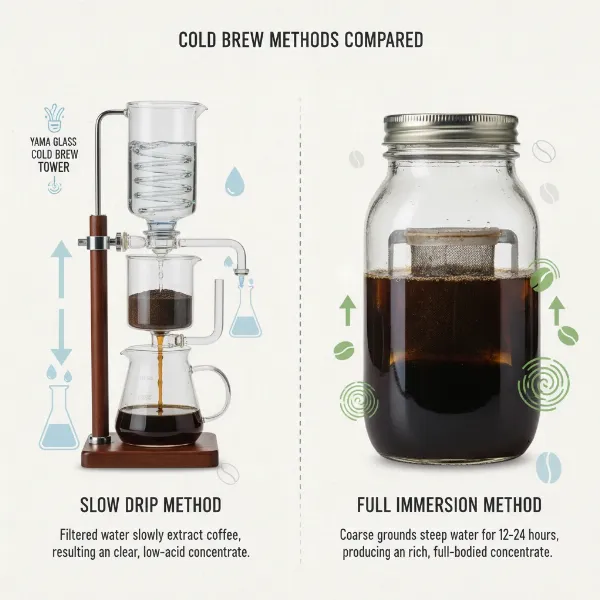
Can I use a glass coffee maker for cold brew?
Yes, many manual glass pour-over systems or even simple glass pitchers can be adapted for cold brew. For French presses with glass beakers, it’s a common method to steep cold brew concentrate, then press. Automatic glass drip machines are typically designed for hot brewing.