For many, the aroma of freshly brewed coffee is the signal to start the day. Coffee is more than just a beverage; it’s a daily ritual, a source of comfort, and even a moment of quiet reflection. While coffee itself has been linked to numerous health benefits, did you know that your choice of brewing method can significantly impact your cardiovascular health? As we look to 2026, the science increasingly supports one simple, yet powerful choice for a healthier heart: paper filters.
The way you brew your coffee directly influences the compounds that end up in your cup. Among these are certain natural oils, known as diterpenes, that have a notable effect on your cholesterol levels. Understanding these compounds and how different brewing methods interact with them is key to making a heart-smart decision every morning.
The Science of Coffee and Cholesterol: Diterpenes Explained
At the heart of the matter are two specific compounds found naturally in coffee beans: cafestol and kahweol. These are diterpenes, oily molecules that give unfiltered coffee its rich, full-bodied texture. While coffee is lauded for its antioxidants and other beneficial properties, cafestol and kahweol can interact with your body in a way that’s less desirable for cardiovascular wellness.
When consumed, cafestol in particular affects how your liver processes cholesterol. It can activate a protein inside cells called the farnesoid X receptor (FXR), which then alters gene expression. This alteration reduces the normal metabolism of cholesterol into bile acids, a major pathway by which your body excretes cholesterol. The net effect is an increase in low-density lipoprotein (LDL) cholesterol, often dubbed “bad” cholesterol. Elevated LDL cholesterol levels are a known risk factor for heart disease, contributing to the buildup of plaque in your arteries over time.
Brewing Methods: Filtered vs. Unfiltered
The choice between a filtered and unfiltered brew is crucial for managing your intake of these cholesterol-raising diterpenes.
Paper-Filtered Coffee
|
Our Picks for the Best Coffee maker in 2026
As an Amazon Associate I earn from qualifying purchases.
|
||
| Num | Product | Action |
|---|---|---|
| 1 | Keurig K-Mini Single Serve K-Cup Pod Coffee Maker, 6 to 12oz Brew size, with Cord Storage, Perfect for Small Spaces, Black |

|
| 2 | BLACK+DECKER 12-Cup Digital Coffee Maker, Programmable, Washable Basket Filter, Sneak-A-Cup, Auto Brew, Water Window, Keep Hot Plate, Black |
|
| 3 | Cuisinart 12 Cup Brew Central Maker Coffee Maker, Black Stainless Steel, DCC-1200BKSNAS |
|
| 4 | Mr. Coffee® 5-Cup Mini Brew Switch Coffee Maker, Black |
|
| 5 | Hamilton Beach 2-Way Programmable Coffee Maker, 12 Cup Glass Carafe And Single Serve Coffee Maker, Black with Stainless Steel Accents, 49980RG |
|
| 6 | Elite Gourmet EHC4128 Automatic 4-Cup Brew & Drip Coffee Maker with Pause N Serve, Glass Carafe, Reusable Filter, On/Off Switch, Keep Warm, Water Level Indicator, Black |
|
| 7 | Amazon Basics 5 Cup Drip Coffee Maker with Glass Coffee Pot (0.8 Qt), Auto Shut-off, Auto Pause, Removable Filter Basket, Matte Black |
|
| 8 | Mr. Coffee Black Coffee Maker, 12 Cups, with Auto Pause and Glass Carafe, Perfect for Home and Office Use |
|
| 9 | Ninja 12-Cup Programmable Coffee Brewer, 2 Brew Styles, Adjustable Warm Plate, 60oz Water Reservoir, Delay Brew - Black/Stainless Steel |
|
| 10 | Cuisinart 14-Cup Coffee Maker, Programmable PerfecTemp Glass Carafe Coffee Machine with 1-4 Cup Setting, Brew Strength Control and Pause, Stainless Steel, DCC-3200NAS |
|
Paper filters act as a highly effective barrier. Their tightly woven fibers and absorbent nature are excellent at trapping both the fine coffee particles and the tiny oil droplets containing cafestol and kahweol. This mechanical filtration ensures that the majority of these diterpenes never make it into your final brew.
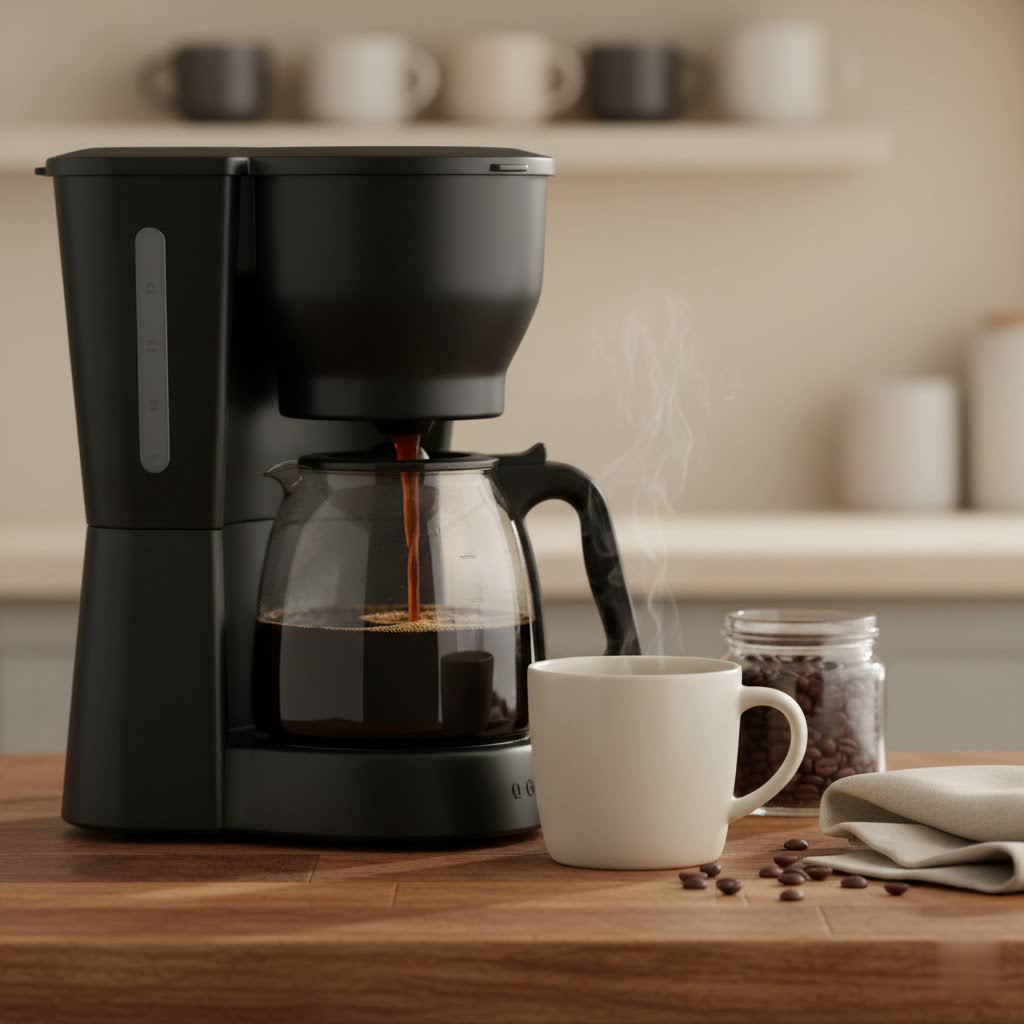
Methods like classic drip coffee makers and pour-over systems, which exclusively use paper filters, yield a cleaner cup that is significantly lower in cafestol and kahweol. This reduction directly translates to a more heart-healthy beverage, helping you maintain balanced cholesterol levels with each sip.
Unfiltered Coffee
Conversely, brewing methods that do not use paper filters allow most of these diterpenes to pass directly into your cup. These include:
- French Press: With its coarse metal mesh filter, the French press allows the coffee oils to remain in the brew, contributing to its signature rich body.
- Espresso: Espresso machines use fine metal screens, which permit a significant amount of coffee oils and diterpenes to emulsify into the concentrated shot.
- Moka Pot: Similar to French press, moka pots utilize a metal filter that doesn’t capture the diterpenes.
- Boiled Coffee (e.g., Turkish Coffee): This method involves boiling coffee grounds directly in water, resulting in the highest concentration of diterpenes.
Regular consumption of coffee prepared using these unfiltered methods can lead to a measurable increase in LDL cholesterol. For individuals already monitoring their cholesterol or with existing cardiovascular concerns, this distinction is particularly important.
The Long-Term Benefits for Your Heart
The impact of choosing paper-filtered coffee isn’t just theoretical; it has quantifiable benefits for long-term heart health. Recent research reinforces decades of findings, demonstrating a clear link between filtered coffee consumption and a reduced risk of cardiovascular disease.
Studies have estimated that for individuals who regularly consume unfiltered coffee, simply switching three cups per day to a paper-filtered brew could reduce LDL cholesterol levels by approximately 0.58 mmol/L. This seemingly small change can accumulate over time, potentially lowering the relative risk of atherosclerotic cardiovascular disease (ASCVD) by up to 13% over five years, and a remarkable 36% over 40 years. These figures highlight the profound cumulative effect that a consistent, heart-conscious brewing choice can have on your health trajectory.
“The processing, the brewing of the coffee, does make a difference in how it affects health,” notes Dr. JoAnn Manson, Chief of the Division of Preventive Medicine at Brigham and Women’s Hospital. “Why take the risk of increasing LDL cholesterol when you can drink filtered coffee?”
Beyond Health: The Taste and Cleanliness Advantage
While heart health is a compelling reason to choose paper filters, many coffee connoisseurs also appreciate them for their impact on taste and cleanliness. Paper filters are renowned for producing a cup of coffee that is bright, clean, and highlights the nuanced flavors of the beans.
By removing fine sediment and bitter oils, paper filters allow the delicate sweetness, acidity, and aromatic notes of your coffee to shine through, unmarred by any “muddy” aftertaste. Furthermore, paper filters offer unparalleled convenience. They are low-maintenance, easy to dispose of (and often compostable), ensuring that each brew starts fresh without lingering residues from previous cups. This makes your morning routine simpler and keeps your brewing equipment cleaner.
Navigating Conflicting Information
Occasionally, you might encounter discussions that present a more complex picture of coffee’s health effects, even concerning filtered varieties. While the overwhelming scientific consensus, supported by major health organizations and numerous studies, points to paper filters significantly reducing cholesterol-raising diterpenes, some specific research might explore other, less dominant effects. For example, a 2025 study investigated whether moderate paper-filtered coffee consumption could have an undesirable effect on plasma cholesterol and inflammation biomarkers in healthy individuals. However, the vast body of evidence clearly demonstrates that the primary mechanism by which coffee impacts cholesterol, through cafestol and kahweol, is mitigated by paper filtration. When considering your daily coffee, focusing on the well-established science of diterpene removal offers the most reliable guidance for heart health.
Making a Heart-Smart Coffee Choice
For daily coffee drinkers, especially those mindful of their cardiovascular health, incorporating paper filters into your routine is a simple yet impactful choice.
- Opt for Filtered Brews: Prioritize brewing methods like drip coffee makers or pour-over that use paper filters.
- Moderate Unfiltered Consumption: If you enjoy French press or espresso, consider limiting these to one serving per day, particularly if you have existing risk factors for cardiovascular disease. For additional cups, switch to a paper-filtered option.
- Be Mindful of Additives: Remember that what you add to your coffee matters. Excessive sugar, full-fat cream, or flavored syrups can counteract the health benefits of filtered coffee.
Your daily coffee habit is a personal choice, but armed with the latest information, you can make decisions that not only satisfy your taste buds but also safeguard your heart health for years to come.
Conclusion
As the scientific understanding of coffee and its health effects continues to evolve into 2026, the message about paper filters remains consistently clear: they are a powerful ally in protecting your heart. By effectively removing cholesterol-raising diterpenes like cafestol and kahweol, paper filters help keep your LDL cholesterol levels in check, contributing to a reduced risk of cardiovascular disease over the long term. This simple switch not only offers significant health advantages but also delivers a cleaner, brighter, and more enjoyable coffee experience. So, as you prepare your next cup, consider the profound impact of that humble paper filter – a small choice for a healthier heart. What simple changes will you make to your coffee routine today to embrace a healthier tomorrow?
Frequently Asked Questions
Does switching to paper filters really make a difference for cholesterol?
Yes, absolutely. Paper filters are highly effective at trapping oily compounds called diterpenes (cafestol and kahweol) which are known to significantly raise LDL (“bad”) cholesterol levels. Numerous studies show that filtered coffee has a much lower impact on cholesterol compared to unfiltered brewing methods.
What about espresso or French press? Can I still drink them?
You can still enjoy espresso or French press, but it’s wise to moderate your consumption, especially if you have concerns about your cholesterol. These methods allow more diterpenes to pass through. Consider limiting unfiltered coffee to one serving daily and opting for paper-filtered alternatives for subsequent cups.
Are there any downsides to using paper filters?
Some coffee enthusiasts feel that paper filters remove some of the desirable coffee oils that contribute to a fuller body and mouthfeel. However, for many, the trade-off for a cleaner taste and significant heart health benefits is well worth it. There’s also the environmental consideration, though many paper filters are now compostable or sustainably sourced.
How much coffee is considered “moderate” for heart health?
Generally, studies suggest that consuming 3 to 5 standard cups of filtered coffee daily is associated with various health benefits, including a lower risk of chronic diseases. For unfiltered coffee, capping consumption at one serving per day is often recommended, especially for those with cardiovascular risk factors.