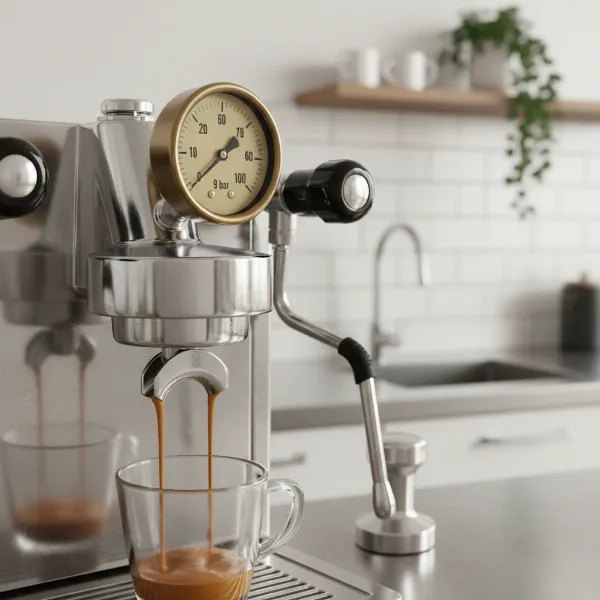
Transforming your kitchen into a personal café where every shot of espresso rivals your favorite barista’s creation is a dream for many coffee enthusiasts. With the right espresso machine, achieving that rich, aromatic, and perfectly extracted coffee at home is entirely within reach. Gone are the days when barista-quality espresso was exclusive to professional coffee shops; today’s home machines offer incredible control, precision, and flavor. If you’re ready to elevate your daily coffee ritual and pull shots with exquisite crema and perfectly frothed milk, selecting the ideal espresso machine is your first step into a world of unparalleled coffee enjoyment.
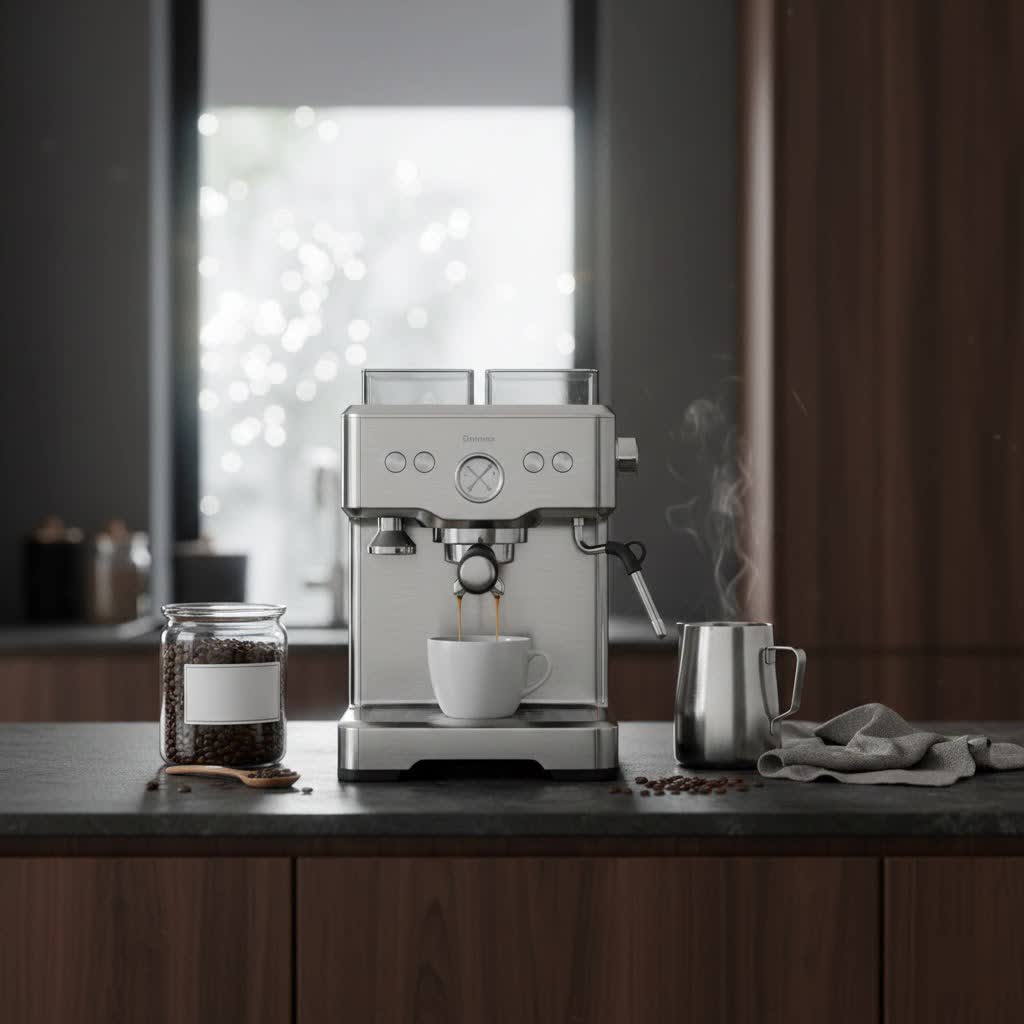
The World of Home Espresso Machines
An espresso machine is a specialized device designed to brew coffee by forcing pressurized hot water through a compact bed of finely ground coffee. Unlike drip coffee makers that rely on gravity, espresso machines use high pressure to extract a concentrated, flavorful shot known as espresso, characterized by its distinctive crema—a reddish-brown foam layer on top. The journey of these fascinating devices began in the early 20th century in Italy, with Luigi Bezzera patenting the first espresso machine in 1901, aiming for faster coffee preparation. Over the decades, innovations in boiler technology, pump systems, and temperature control have transformed these industrial behemoths into sleek, user-friendly appliances perfect for modern homes. This evolution has made it possible for home baristas to achieve professional-grade results, bringing the art and science of espresso right to their countertops.
Types of Espresso Machines for the Home Barista
The landscape of home espresso machines offers a diverse range, each catering to different skill levels, preferences, and budgets. Understanding these categories is crucial for choosing the machine that best fits your barista aspirations.
Semi-Automatic Espresso Machines
Semi-automatic machines are the most popular choice for aspiring home baristas, offering a blend of manual control and automated convenience. These machines typically feature an electric pump to deliver water at the correct pressure but require the user to grind, dose, tamp the coffee, and initiate and stop the brew cycle. This hands-on approach allows for significant control over the extraction process, enabling enthusiasts to fine-tune variables like shot volume and pre-infusion for a personalized espresso.
- Pros: High degree of control over extraction, excellent espresso quality potential, robust build, often come with powerful steam wands for latte art.
- Cons: Requires a learning curve, needs a separate quality grinder, more steps involved in preparation.
- Usage and Maintenance: Daily cleaning of the portafilter and group head, regular backflushing, and periodic descaling are essential to maintain performance and longevity.
|
Our Picks for the Best Coffee maker in 2026
As an Amazon Associate I earn from qualifying purchases.
|
||
| Num | Product | Action |
|---|---|---|
| 1 | Cuisinart Coffee Maker, 14-Cup Glass Carafe, Fully Automatic for Brew Strength Control & 1-4 Cup Setting, Stainless Steel, DCC-3200CRM, Cream. |

|
| 2 | Cuisinart Coffee Maker, 14-Cup Glass Carafe, Fully Automatic for Brew Strength Control & 1-4 Cup Setting, Stainless Steel, DCC-3200GMP1, Gunmetal |
|
| 3 | Ninja 12-Cup Programmable Coffee Brewer, 2 Brew Styles, Adjustable Warm Plate, 60oz Water Reservoir, Delay Brew - Black/Stainless Steel |
|
| 4 | BLACK+DECKER CM1160W-1 CM1160W 12-Cup Programmable Coffeemaker, White/Stainless Steel |
|
| 5 | BLACK+DECKER 12-Cup Coffee Maker with Easy On/Off Switch, Easy Pour, Non-Drip Carafe with Removable Filter Basket, Vortex Technology, Black |
|
| 6 | Cuisinart 14-Cup Coffee Maker, Programmable PerfecTemp Glass Carafe Coffee Machine with 1-4 Cup Setting, Brew Strength Control and Brew Pause, Stainless Steel, DCC-3200WNAS, White |
|
| 7 | Cuisinart Coffee Maker, 14-Cup Glass Carafe, Fully Automatic for Brew Strength Control & 1-4 Cup Setting, Stainless Steel, DCC-3200UMB, Umber |
|
| 8 | Cuisinart 14-Cup Coffee Maker, Programmable PerfecTemp Glass Carafe Coffee Machine with 1-4 Cup Setting, Brew Strength Control and Pause, Stainless Steel, DCC-3200NAS |
|
| 9 | BLACK+DECKER 12-Cup Digital Coffee Maker, Programmable, Washable Basket Filter, Sneak-A-Cup, Auto Brew, Water Window, Keep Hot Plate, Black |
|
| 10 | Cuisinart 14-Cup Coffee Maker, Programmable PerfecTemp Glass Carafe Coffee Machine with 1-4 Cup Setting, Brew Strength Control and Pause, Stainless Steel, DCC-3200BKSNAS, Black |
|
Manual Lever Espresso Machines
Manual lever machines are for the purists and those who appreciate the tactile art of espresso making. With these machines, the user manually pulls a lever to build and apply the necessary pressure for extraction. This method offers ultimate control over pressure profiling, allowing for nuanced adjustments during the shot.
- Pros: Unparalleled control over extraction, can produce exceptionally rich espresso, often beautifully designed, no pump noise.
- Cons: Steepest learning curve, highly labor-intensive, less consistent without significant practice, typically no integrated milk frothing (or less powerful).
- Usage and Maintenance: Relatively simple to clean due to fewer electronic components, but still requires careful attention to the brew group and occasional descaling of the boiler.
Super-Automatic and Hybrid Espresso Machines
Designed for ultimate convenience, super-automatic machines handle almost every step of the espresso-making process, from grinding fresh beans to tamping and brewing, often at the touch of a button. Hybrid machines (sometimes called automatic) offer more customization than super-automatics but less manual control than semi-automatics, typically including an integrated grinder and automated dosing while allowing some control over the brew cycle.
- Pros: Extreme ease of use, consistent results, integrated grinders, often feature automatic milk frothing systems, ideal for busy mornings.
- Cons: Less control over variables, can be expensive, cleaning and maintenance of complex internal systems can be challenging.
- Usage and Maintenance: Many feature automated cleaning cycles, but regular refilling of water and beans, emptying grounds, and descaling are still required.
Top 5 Best Espresso Machines for Barista Quality at Home
Achieving barista-quality espresso at home means investing in a machine that offers precision, durability, and features that support excellent extraction and milk frothing. Here are five top contenders that stand out for delivering exceptional results.
Breville Barista Touch Impress
The Breville Barista Touch Impress is an all-in-one marvel that guides you through the espresso-making process with an intuitive touchscreen interface and automated features. It integrates a conical burr grinder with intelligent dosing and assisted tamping, ensuring you get the perfect puck every time. The automatic milk frother with temperature sensing creates silky microfoam, making latte art accessible even for beginners.
- Key Features: Touchscreen operation, integrated precision grinder, assisted tamping, automatic milk texturing, fast heat-up with ThermoJet system.
- Pros: User-friendly for all skill levels, consistent extraction, excellent milk frothing, compact design, comprehensive guidance.
- Cons: Higher price point, 54mm portafilter (some prefer 58mm for more professional feel), less manual control for advanced users compared to traditional machines.
- Ideal User: Those seeking a high-quality, convenient espresso experience with minimal learning curve, wanting an all-in-one solution for gourmet coffee drinks.
Gaggia Classic Pro
A true icon in the home espresso world, the Gaggia Classic Pro has a cult following for its robust, commercial-grade components and excellent value. It’s a semi-automatic machine that provides a fantastic foundation for developing barista skills. With its 58mm commercial-style portafilter and powerful steam wand, it offers serious control for both espresso extraction and milk frothing.
- Key Features: Durable stainless steel housing, 58mm commercial portafilter, powerful manual steam wand, 3-way solenoid valve.
- Pros: Reliable and long-lasting, excellent espresso potential with practice, great for customization and upgrades, easy to repair, relatively quick heat-up (around 5 minutes).
- Cons: Steep learning curve, requires a separate high-quality grinder, basic user interface.
- Ideal User: Enthusiasts on a mid-range budget who are eager to learn and master the art of manual espresso making, valuing durability and upgrade potential.
Rancilio Silvia
Often considered the “gold standard” for entry-level prosumer machines, the Rancilio Silvia is celebrated for its industrial-grade construction and powerful performance. This semi-automatic machine features a heavy-duty marine brass boiler and a robust commercial-style group head, ensuring excellent temperature stability—a critical factor for consistent espresso. Its powerful steam wand produces rich, velvety microfoam.
- Key Features: Commercial-grade group head and portafilter (58mm), single brass boiler, powerful manual steam wand, minimalist design.
- Pros: Exceptional durability, high-quality espresso and steam power, parts are readily available, compact footprint for its capabilities.
- Cons: Slow heat-up (around 20 minutes), significant learning curve, requires “temperature surfing” for optimal consistency, needs a separate grinder.
- Ideal User: Dedicated home baristas who prioritize robust build quality and professional-level control, willing to invest time in learning advanced techniques.
Lelit Mara X
The Lelit Mara X is a compact heat exchanger (HX) espresso machine that brings prosumer performance to a home setting. It features an E61 group head for superior thermal stability and offers simultaneous brewing and steaming, a significant advantage for milk-based drinks. The Mara X incorporates a smart PID temperature controller, providing consistent brew temperatures without the need for a dual boiler system, and its elegant stainless steel design is a kitchen showstopper.
- Key Features: E61 group head, heat exchanger boiler, PID temperature control, compact footprint for an HX machine, commercial-grade steam wand.
- Pros: Professional-level temperature stability, simultaneous brew and steam, elegant Italian design, high-quality construction, excellent espresso and milk frothing.
- Cons: Higher price point, requires a good quality separate grinder, can be intimidating for beginners.
- Ideal User: Serious home baristas who want prosumer features, thermal stability, and the ability to make multiple milk-based drinks without compromise, valuing design and performance.
Breville Bambino Plus
For those seeking barista-quality espresso in a compact footprint without sacrificing performance, the Breville Bambino Plus is an outstanding choice. This semi-automatic machine boasts a remarkably fast heat-up time thanks to its ThermoJet heating system, making it ready to brew in just three seconds. It features automatic milk frothing with adjustable temperature and texture settings, allowing for consistent microfoam with minimal effort.
- Key Features: Ultra-fast 3-second heat-up, automatic milk texturing, 54mm portafilter, pre-infusion function, compact design.
- Pros: Ideal for small kitchens, quick and convenient, impressive automatic milk frothing, easy to use, delivers good quality espresso.
- Cons: No integrated grinder, 54mm portafilter, somewhat lightweight build compared to heavier prosumer machines.
- Ideal User: Home baristas with limited counter space or those prioritizing speed and ease of use, who still desire quality espresso and excellent milk drinks.
Comparing Top Espresso Machines: A Quick Look
| Machine | Price Range (USD) | Skill Level | Key Feature | Milk System | Ideal For |
|---|---|---|---|---|---|
| Breville Barista Touch Impress | $1,000 – $1,500 | Beginner to Intermediate | Integrated Grinder & Touchscreen | Automatic Frothing | Convenience, all-in-one, ease of use |
| Gaggia Classic Pro | $400 – $550 | Beginner to Intermediate | Commercial-grade components | Manual Steam Wand | Learning, upgrading, budget-conscious |
| Rancilio Silvia | $800 – $1,000 | Intermediate to Advanced | Robust industrial build | Powerful Manual Steam | Durability, control, traditionalist |
| Lelit Mara X | $1,300 – $1,800 | Intermediate to Advanced | HX boiler, E61 group head, PID | Commercial Steam Wand | Serious enthusiasts, thermal stability |
| Breville Bambino Plus | $400 – $550 | Beginner | Fast Heat-up, Compact | Automatic Frothing | Small spaces, speed, consistent milk |
Essential Features for a Barista-Quality Espresso Machine
When choosing an espresso machine for home, certain features directly impact your ability to produce café-quality beverages.
Boiler Type and Temperature Control (PID)
The boiler is the heart of an espresso machine, responsible for heating water to the precise temperature required for extraction.
- Single Boiler: Common in entry-level machines, uses one boiler for both brewing and steaming, requiring a temperature change between tasks.
- Heat Exchanger (HX): Found in prosumer machines, allows for simultaneous brewing and steaming by running brew water through a heat exchanger coil within the main steam boiler.
- Dual Boiler: Offers dedicated boilers for brewing and steaming, providing ultimate temperature stability and control without any waiting time.
- PID (Proportional-Integral-Derivative) Controller: An electronic temperature control system that maintains a highly stable brew temperature, crucial for consistent espresso extraction.
Pump Pressure
Espresso traditionally requires 9 bars of pressure for optimal extraction. Most home machines advertise 15 bars, but the critical factor is often the pressure delivered at the group head. A good pump ensures consistent pressure throughout the shot.
Portafilter Size and Type
Portafilters come in various sizes, with 58mm being the commercial standard. Larger portafilters allow for a wider puck, potentially promoting more even extraction. Pressurized portafilters (often found on entry-level machines) are more forgiving for inconsistent grinds, while non-pressurized (naked) portafilters are preferred by baristas for their feedback on extraction quality.
Steam Wand Performance
For milk-based drinks, a powerful and controllable steam wand is essential for creating silky microfoam. Manual steam wands offer the most control for latte art, while automatic systems simplify the frothing process, producing consistent results at the touch of a button.
Integrated Grinder vs. Separate Grinder
Some machines, especially super-automatics and certain hybrid models like the Breville Barista series, come with built-in grinders. While convenient, a dedicated external burr grinder often offers superior grind consistency and adjustability, which is vital for fine-tuning espresso shots.
Water Reservoir Capacity and Filtration
Consider the water tank size based on your usage frequency. A larger reservoir means less frequent refilling. Built-in water filters or using filtered water can prevent mineral buildup and improve coffee taste.
Choosing Your Perfect Home Espresso Machine (Buying Guide)
Selecting the right espresso machine is a personal journey. Here’s a structured approach to guide your decision.
Assess Your Barista Skill Level and Time Commitment
- Beginner: Consider super-automatic or user-friendly semi-automatics like the Breville Bambino Plus or Barista Touch Impress, which offer automation and guidance.
- Intermediate: Look for semi-automatics like the Gaggia Classic Pro or Rancilio Silvia to hone your skills and experiment with variables.
- Advanced/Enthusiast: Prosumer machines such as the Lelit Mara X or even manual levers will offer the control and performance you crave. Consider how much time you’re willing to dedicate to daily preparation and learning.
Set Your Budget
Espresso machines range widely in price. Determine how much you’re comfortable spending, remembering that a quality grinder might be a separate but crucial investment, especially for semi-automatic and manual machines.
Consider Your Kitchen Space
Measure your available counter space, including height clearances, as some machines can be quite large. Compact models like the Breville Bambino Plus are ideal for smaller kitchens.
Prioritize Features: Convenience vs. Control
Do you value the speed and simplicity of an automatic machine, or do you prefer the hands-on control and experimentation offered by a semi-automatic or manual lever? Decide which features are non-negotiable for your daily routine.
Research and Read Reviews
Once you have a few models in mind, delve into expert reviews and user feedback. Look for consistent praise or common complaints related to performance, durability, and ease of use.
Mastering Your Espresso Machine: Tips for Use and Maintenance
Owning a barista-quality espresso machine is just the beginning. Proper use and regular maintenance are paramount to enjoying consistently excellent coffee and extending your machine’s lifespan.
Daily Cleaning Rituals
- Portafilter and Baskets: After each use, knock out the spent coffee grounds and rinse the portafilter and basket thoroughly to prevent oil buildup.
- Group Head and Shower Screen: Briefly flush the group head after removing the portafilter to clear any loose grounds. Use a group head brush daily to scrub away coffee residue from the shower screen and gasket.
- Steam Wand: Always purge the steam wand immediately after frothing milk to clear any milk residue. Wipe it down with a dedicated damp cloth. Milk dries quickly and can clog the wand.
Regular Descaling
Mineral deposits from water can build up in your machine’s boiler and internal components, affecting performance and taste. Descate your machine every 1-3 months, depending on your water hardness and usage, following the manufacturer’s instructions.
Using Quality Water and Beans
- Water: Use filtered water to prevent mineral buildup and improve the taste of your coffee. Avoid distilled water, as it lacks minerals necessary for flavor extraction.
- Beans: Always use fresh, high-quality coffee beans, ideally roasted within the last few weeks. Grind your beans immediately before brewing for the best flavor and aroma.
Grinder Maintenance
If you have a separate grinder, clean its burrs regularly (e.g., monthly) to remove old coffee oils and grounds, which can turn rancid and affect taste.
Conclusion
Embarking on the journey of home espresso making is a rewarding experience that offers endless opportunities for discovery and enjoyment. Whether you’re drawn to the effortless consistency of an automated system or the meticulous control of a manual lever, there’s a perfect espresso machine waiting to elevate your coffee craft. The Breville Barista Touch Impress provides a guided, high-tech experience, while the Gaggia Classic Pro and Rancilio Silvia offer robust, traditional semi-automatic pathways to espresso mastery. For those aspiring to prosumer excellence, the Lelit Mara X delivers exceptional performance in a compact form. And for convenience in smaller spaces, the Breville Bambino Plus truly shines. By understanding the types, features, and maintenance requirements, you can confidently choose a machine that not only meets your needs but also inspires you to become a true home barista. Which espresso machine will be the heart of your coffee sanctuary?
Frequently Asked Questions
How much should I spend on a home espresso machine?
The cost can vary significantly, from around $400 for a solid entry-level semi-automatic like the Gaggia Classic Pro to over $1,500 for prosumer models with advanced features like the Lelit Mara X or Breville Barista Touch Impress. Your budget should also account for a quality grinder, which is crucial for achieving barista-quality results, especially with semi-automatic machines.
What is the difference between semi-automatic and super-automatic espresso machines?
Semi-automatic machines require manual input for grinding, tamping, and initiating/stopping the shot, offering greater control. Super-automatic machines handle almost everything automatically, from grinding to brewing and often milk frothing, prioritizing convenience over manual control.
Do I need a separate grinder for barista-quality espresso?
For optimal barista-quality espresso, a high-quality separate burr grinder is generally recommended. It provides superior control over grind size and consistency, which is critical for fine-tuning extraction. While some hybrid machines include integrated grinders, a dedicated grinder often offers a higher level of precision.
How often should I clean my espresso machine?
Daily cleaning of the portafilter, group head, and steam wand is essential. Beyond that, backflushing semi-automatic machines weekly (or as recommended by the manufacturer) and descaling every 1-3 months (depending on water hardness and usage) will maintain performance and prolong the machine’s life.