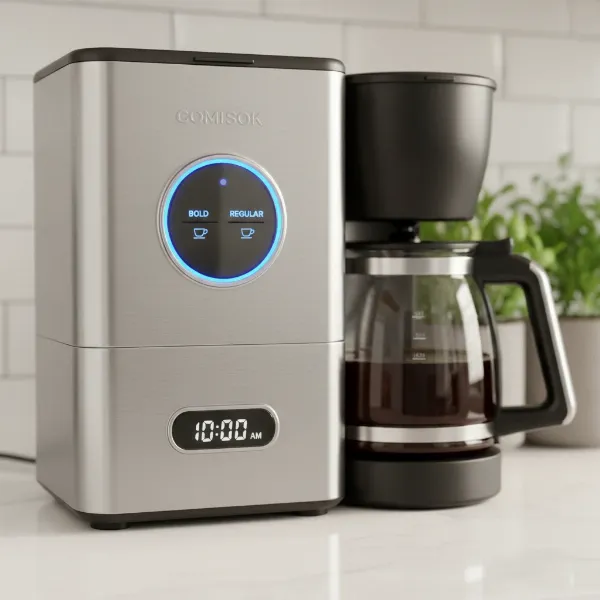
The aroma of freshly brewed coffee is one of life’s simple pleasures, but what happens when that expected perfection is replaced by an inconsistent, disappointing cup? If you’ve ever experienced a brew that’s too bitter, too sour, or simply lacks the familiar depth you crave, your coffee maker might be out of calibration. Achieving truly consistent flavor isn’t just about high-quality beans; it’s about precisely tuning your equipment to extract the best from every single grind. This guide will walk you through the essential steps to calibrate your coffee maker, transforming every morning into a reliably delicious experience.
The Essence of Coffee Maker Calibration
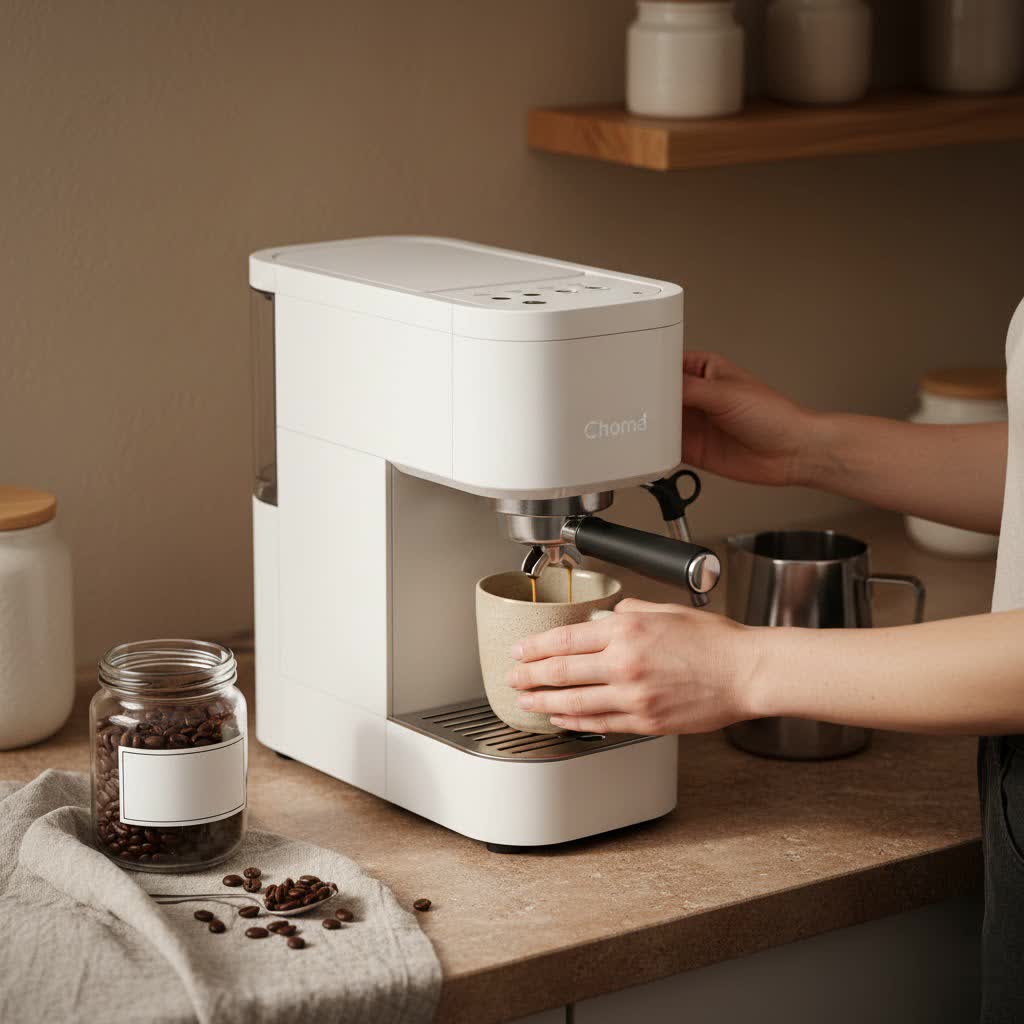
Coffee maker calibration is the meticulous process of fine-tuning the various parameters of your brewing equipment to ensure that each cup consistently meets a desired flavor profile. Whether you own a sophisticated espresso machine or a simple drip coffee maker, the goal is the same: eliminate variations in taste and strength. This proactive adjustment is crucial for maintaining a high standard of quality, reducing wasted ingredients, and ultimately, elevating your entire coffee drinking ritual. When your machine is calibrated, it reliably reproduces the optimal conditions for extraction, allowing the true character of your coffee beans to shine through in every brew.
Understanding the Pillars of Consistent Brewing
Consistent coffee flavor is built upon several interconnected variables. Understanding and controlling each of these elements is key to effective calibration, regardless of your coffee maker’s type.
The Crucial Role of Grind Size
Grind size is perhaps the most fundamental variable in coffee extraction. It dictates how quickly water can flow through the coffee bed and how much surface area the water contacts.
- Too fine a grind leads to over-extraction, where the water struggles to pass through, dissolving too many solids and resulting in a bitter, astringent, or harsh taste.
- Too coarse a grind causes under-extraction, allowing water to flow too quickly, leaving many desirable flavor compounds behind. This often manifests as a weak, watery, or sour cup.
Adjusting your grinder, usually in small increments, is often the first step in calibration. For espresso, a very fine grind is necessary, while drip coffee typically requires a medium grind.
|
Our Picks for the Best Coffee maker in 2026
As an Amazon Associate I earn from qualifying purchases.
|
||
| Num | Product | Action |
|---|---|---|
| 1 | Cuisinart 14-Cup Coffee Maker, Programmable PerfecTemp Glass Carafe Coffee Machine with 1-4 Cup Setting, Brew Strength Control and Brew Pause, Stainless Steel, DCC-3200WNAS, White |

|
| 2 | Cuisinart 14-Cup Coffee Maker, Programmable PerfecTemp Glass Carafe Coffee Machine with 1-4 Cup Setting, Brew Strength Control and Pause, Stainless Steel, DCC-3200NAS |
|
| 3 | Cuisinart Coffee Maker, 14-Cup Glass Carafe, Fully Automatic for Brew Strength Control & 1-4 Cup Setting, Stainless Steel, DCC-3200CRM, Cream. |
|
| 4 | Ninja 12-Cup Programmable Coffee Brewer, 2 Brew Styles, Adjustable Warm Plate, 60oz Water Reservoir, Delay Brew - Black/Stainless Steel |
|
| 5 | BLACK+DECKER 12-Cup Digital Coffee Maker, Programmable, Washable Basket Filter, Sneak-A-Cup, Auto Brew, Water Window, Keep Hot Plate, Black |
|
| 6 | BLACK+DECKER 12-Cup Coffee Maker with Easy On/Off Switch, Easy Pour, Non-Drip Carafe with Removable Filter Basket, Vortex Technology, Black |
|
| 7 | Cuisinart 14-Cup Coffee Maker, Programmable PerfecTemp Glass Carafe Coffee Machine with 1-4 Cup Setting, Brew Strength Control and Pause, Stainless Steel, DCC-3200BKSNAS, Black |
|
| 8 | Cuisinart Coffee Maker, 14-Cup Glass Carafe, Fully Automatic for Brew Strength Control & 1-4 Cup Setting, Stainless Steel, DCC-3200GMP1, Gunmetal |
|
| 9 | Cuisinart Coffee Maker, 14-Cup Glass Carafe, Fully Automatic for Brew Strength Control & 1-4 Cup Setting, Stainless Steel, DCC-3200UMB, Umber |
|
| 10 | BLACK+DECKER CM1160W-1 CM1160W 12-Cup Programmable Coffeemaker, White/Stainless Steel |
|
Mastering the Water-to-Coffee Ratio
The water-to-coffee ratio is the balance between the amount of coffee grounds and the volume of water used. This ratio directly impacts the strength and overall concentration of your brew. Precision here is paramount; even small deviations can significantly alter flavor. Using a digital scale to measure your coffee in grams and your water in milliliters (or grams) ensures accuracy that scoops simply cannot provide. A common starting point for drip coffee is a 1:15 to 1:18 ratio (e.g., 1 gram of coffee to 15-18 grams of water), while espresso often aims for a tighter 1:2 ratio (e.g., 18 grams of coffee yielding 36 grams of espresso).
Optimizing Water Temperature for Extraction
Water temperature is a critical, yet often overlooked, factor. The ideal brewing temperature for optimal coffee extraction falls between 195°F and 205°F (90°C to 96°C).
- Water that is too hot can scorch the coffee grounds, leading to over-extraction and a harsh, burnt, or overly bitter taste.
- Water that is too cold results in under-extraction, leaving your coffee flat, weak, and notably sour.
Many modern coffee makers allow for temperature adjustment, or you can use an external thermometer to verify your machine’s actual brewing temperature. Consistent temperature ensures consistent flavor extraction.
Dialing in Brew Time and Extraction
Brew time refers to the duration water is in contact with the coffee grounds. This variable works hand-in-hand with grind size and water temperature.
- For espresso, the ideal extraction time typically ranges from 18 to 30 seconds. A shot that pulls too quickly usually indicates under-extraction, while one that runs too long suggests over-extraction.
- For drip coffee, the total brew time depends on the volume, but generally, it should fall within a few minutes. Adjusting grind size primarily controls brew time in drip machines. Consistent brew time is essential for balanced flavor, preventing both weak and overly strong results.
Taming Pressure (for Espresso Machines)
For espresso machines, pressure plays a direct role in extraction. This encompasses two main aspects:
- Tamping Pressure: The force used to compact the coffee grounds in the portafilter. Inconsistent or uneven tamping can lead to “channeling,” where water finds paths of least resistance, resulting in uneven extraction and a poor shot. Aim for consistent, even pressure, typically 15-20 kg.
- Machine Brew Pressure: The pressure at which water is forced through the coffee bed. While most home machines have fixed pressure, understanding its role is important. Proper pressure ensures full saturation and optimal extraction.
Step-by-Step Guide to Calibrating Your Coffee Maker
Calibrating your coffee maker is an iterative process that requires patience and keen observation. By following these steps, you can methodically achieve a consistent, perfect brew.
Preparation: Clean Your Machine
Before starting any calibration, ensure your coffee maker is impeccably clean. Residue from old coffee oils and mineral deposits can significantly impact flavor and machine performance, rendering your calibration efforts useless. Perform a thorough cleaning, including descaling if necessary, to ensure you’re starting with a neutral baseline.
Establish Your Baseline Measurements
Begin by taking precise measurements of your current brewing parameters.
- Water Volume: For drip machines, measure the actual volume of water your machine dispenses for a standard cup or pot. For espresso, measure the yield (weight) of your espresso shot.
- Coffee Weight: Weigh the amount of coffee grounds you are currently using in grams.
- Brew Time: Use a timer to record the total brew duration for drip coffee or the extraction time for an espresso shot.
Record these numbers. This baseline will serve as your reference point for making controlled adjustments.
Systematic Adjustment: One Variable at a Time
The golden rule of calibration is to change only one variable at a time. This allows you to isolate the effect of each adjustment on the final flavor.
- Start with Grind Size: This is often the most impactful variable. Make a small adjustment to your grinder (e.g., one notch finer or coarser).
- Adjust Water-to-Coffee Ratio: If grind size doesn’t yield the desired result, fine-tune your coffee dose or water volume.
- Consider Water Temperature: If your machine allows, adjust the brewing temperature within the optimal range.
- Fine-tune Brew Time/Pressure: For espresso, slight adjustments to grind size or dose will affect extraction time. Ensure consistent tamping.
After each single adjustment, brew a cup and move to the next step.
Sensory Evaluation: Taste and Refine
This is where your palate becomes your most important tool.
- Taste and Evaluate: Carefully taste the brewed coffee. Is it too bitter (over-extracted)? Too sour or weak (under-extracted)? Does it have a balanced flavor?
- Take Notes: Keep a log of your adjustments and the resulting flavors. This helps track your progress and avoid repeating mistakes.
- Iterate: Based on your tasting notes, make another small adjustment to a single variable. Repeat the brew-and-taste cycle until you achieve your desired consistent flavor. Remember, consistency is not about finding a single “perfect” setting, but about reliably reproducing it.
Important Features for Enhanced Consistency
While calibration can improve any coffee maker, certain features make achieving and maintaining consistency significantly easier. When choosing a new machine, or evaluating your current one, consider these aspects:
Precise Temperature Control
High-quality coffee makers, especially those certified by organizations like the Specialty Coffee Association (SCA), often feature advanced heating elements and precise temperature control. This ensures that water consistently reaches and maintains the ideal brewing temperature throughout the cycle, preventing inconsistent extraction due to temperature fluctuations.
Integrated or High-Quality Grinders
An integrated burr grinder that offers consistent particle size is a massive advantage. Uniform grounds are crucial for even extraction. If your machine doesn’t have one, investing in a separate, high-quality burr grinder is essential for consistent flavor. Blade grinders, which chop rather than grind, produce inconsistent particles and should be avoided for quality brewing.
Programmable Settings & Timers
Features like programmable brew volume, adjustable dose settings (for super-automatic espresso machines), and built-in timers allow for greater control and repeatability. These enable you to save your calibrated settings, ensuring you can replicate your perfect brew with ease every time.
Water Filtration Systems
Many coffee makers now include or are compatible with water filtration systems. Using filtered water not only protects your machine from mineral buildup but also ensures that the taste of your coffee is not negatively impacted by impurities or off-flavors from tap water, contributing to overall consistency.
Troubleshooting Common Consistency Issues
Even after calibration, you might encounter issues. Here are common culprits for inconsistent flavor:
- Inconsistent Grind Issues: If your grinder’s burrs are worn, or it’s a blade grinder, you’ll struggle to get a uniform grind. This directly leads to uneven extraction.
- Temperature Fluctuations: Older or cheaper machines may struggle to maintain a stable brewing temperature, leading to varying extraction levels from one cup to the next.
- Dosing and Distribution Problems: Eyeballing coffee measurements or unevenly distributing grounds (especially in espresso portafilters) can cause significant inconsistencies.
- Impact of Stale Beans and Improper Storage: Coffee beans begin to degrade immediately after roasting. Stale beans will always produce a flat, less flavorful brew. Improper storage (exposure to air, light, heat, or moisture) accelerates this degradation.
- Mineral Buildup: Hard water leaves mineral deposits that can clog internal components, affect heating efficiency, and impart off-flavors to your coffee. Regular descaling is crucial.
Beyond Calibration: Essential Maintenance for Lasting Flavor
Calibration sets the stage, but ongoing maintenance is what keeps your coffee consistently delicious.
Regular Cleaning and Descaling Schedules
- Daily: Rinse the carafe, filter basket, and any removable parts with warm, soapy water after each use to remove coffee oils.
- Weekly: For daily users, run a cycle with a water and white vinegar solution (or a commercial descaler) to dissolve mineral deposits. Follow with several cycles of fresh water.
- Monthly Deep Clean: Disassemble removable parts for a thorough cleaning. Descale more frequently if you have hard water. Regular cleaning prevents bitter flavors from old coffee residue and ensures your machine operates efficiently.
Proper Storage of Coffee Beans
Always store your coffee beans in an opaque, airtight container, away from direct sunlight, heat, and moisture. Avoid the refrigerator or freezer for daily storage, as temperature fluctuations and moisture can harm the beans. Grind your coffee immediately before brewing to maximize freshness and flavor.
The Quality of Your Water
Coffee is 98% water, so its quality profoundly impacts taste. Use filtered water whenever possible. Consider a water filter integrated into your machine or an external filter jug. This not only enhances flavor but also minimizes mineral buildup, protecting your appliance.
Conclusion
Achieving consistent, delicious coffee every day is a rewarding endeavor that goes beyond simply pressing a button. By understanding the core principles of calibration—meticulously adjusting grind size, water-to-coffee ratio, temperature, brew time, and pressure—you gain mastery over your morning ritual. Remember to approach calibration systematically, changing one variable at a time, and letting your taste buds guide you through the process of refinement. Coupled with diligent cleaning and proper bean storage, these calibration techniques will unlock the full potential of your coffee maker, ensuring every cup delivers the consistent, delightful flavor you deserve. What’s one small calibration adjustment you plan to make to your coffee maker this week?
Frequently Asked Questions
Why does my home-brewed coffee taste inconsistent?
Inconsistent coffee flavor often stems from varying parameters such as grind size, water temperature, water-to-coffee ratio, or brew time. Other factors include stale beans, mineral buildup in the machine, or inconsistent technique during preparation. Addressing these variables systematically through calibration can significantly improve consistency.
How often should I recalibrate my coffee maker?
The frequency of recalibration depends on factors like machine type, usage, and changes in coffee beans. For espresso machines, daily micro-adjustments to grind size are common. For drip makers, a monthly check or when changing coffee bean types is a good practice. Regularly taste your coffee and recalibrate if you notice a shift in flavor.
What tools are essential for coffee maker calibration?
Key tools for calibration include a digital scale for precise coffee and water measurements, a timer for monitoring brew or extraction time, and potentially a thermometer to check water temperature (if your machine doesn’t display it). For espresso, a quality burr grinder and a calibrated tamper are also invaluable.
Can water quality affect coffee flavor consistency?
Absolutely. Water quality plays a significant role in coffee flavor. Water that is too hard can lead to mineral buildup and affects extraction, while water with too many impurities can impart off-flavors. Using filtered water with a balanced mineral content is crucial for consistent and optimal coffee taste.
Is calibration only for espresso machines?
While often associated with espresso, calibration applies to all types of Coffee Makers. The principles of balancing grind size, water temperature, and coffee-to-water ratio are universal across drip, French press, pour-over, and other brewing methods to achieve consistent and desirable flavor extraction.