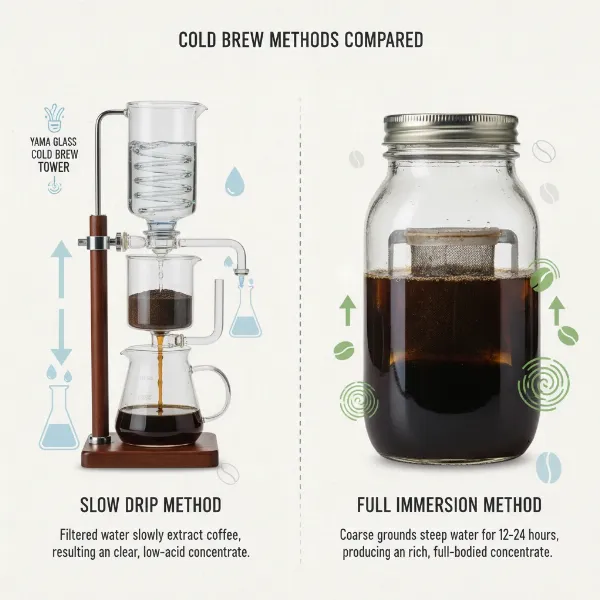
The secret to a consistently perfect cup of coffee goes beyond selecting premium beans or mastering brewing techniques. Often overlooked, but critically important for both taste and your machine’s lifespan, is the regular practice of descaling your coffee maker. Over time, mineral deposits from water, primarily calcium and magnesium, build up inside your appliance, forming what is commonly known as limescale. This buildup can significantly hinder performance, degrade coffee flavor, and ultimately lead to premature machine failure. Understanding why and how to properly descale your coffee maker is essential for any coffee enthusiast. This comprehensive guide will walk you through the process, discuss various methods, and offer crucial tips to ensure your coffee maker continues to brew delicious coffee for years to come.
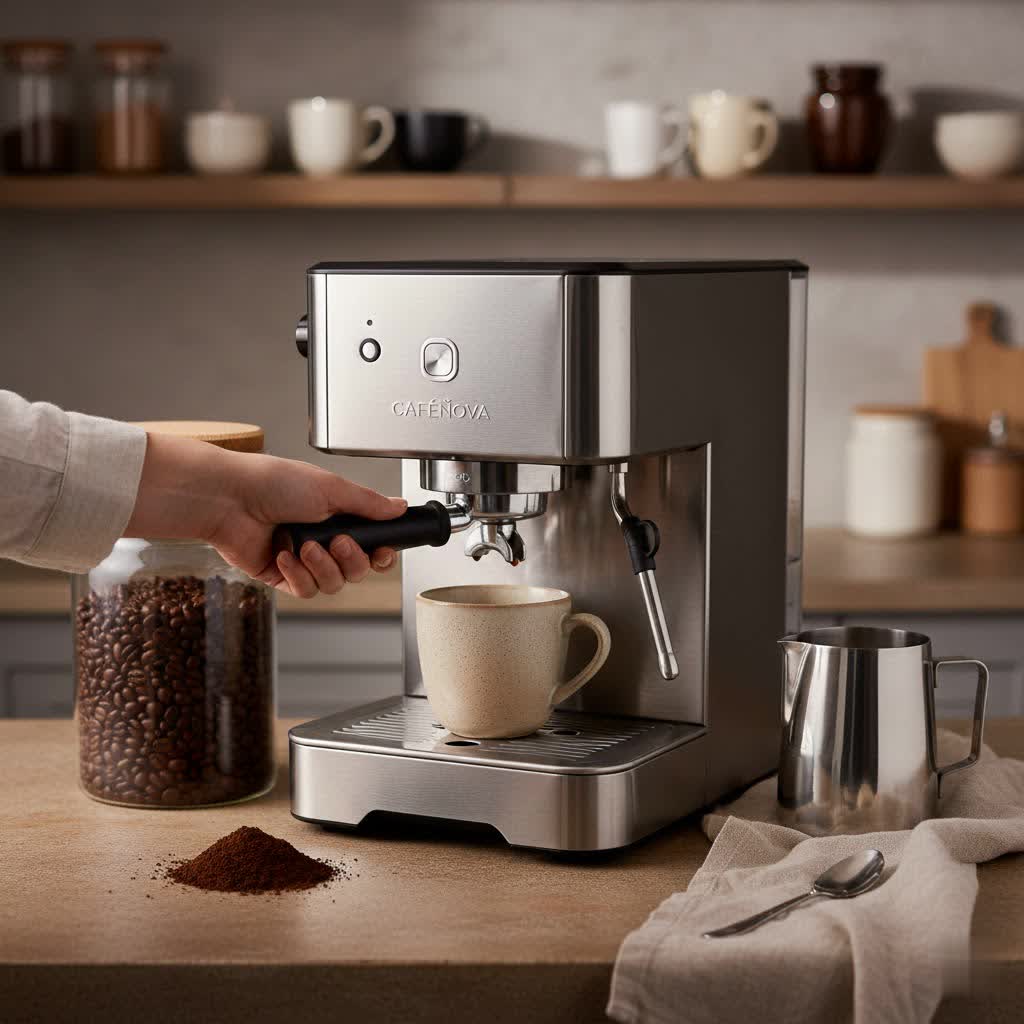
Overview of Coffee Makers
A coffee maker is an appliance designed to brew coffee. Its internal components, especially heating elements and water pathways, are constantly exposed to water. As water heats and evaporates, it leaves behind mineral residues, which accumulate and harden into limescale. This necessitates regular descaling to maintain functionality.
The evolution of coffee makers, from simple stovetop pots to sophisticated automatic machines, has always been driven by the desire for better, more convenient coffee. However, regardless of their technological advancements, all machines that heat water are susceptible to mineral buildup, making maintenance routines like descaling a timeless requirement.
The market offers a wide array of coffee makers, each with its unique brewing mechanism. Common types include drip coffee makers, espresso machines, capsule machines, French presses, and Moka pots. While their designs and brewing methods vary, the need to address mineral deposits remains a universal aspect of their care.
Types of Coffee Makers and Descaling Considerations
The descaling process can vary slightly depending on the type of coffee maker you own, primarily due to differences in internal plumbing and heating mechanisms.
Drip Coffee Makers
Drip coffee makers are perhaps the most common type, valued for their simplicity and ability to brew larger quantities.
- Advantages: Easy to use, generally affordable, brews multiple cups.
- Disadvantages: Less control over brewing variables than manual methods, can produce less intense coffee than espresso.
- Descaling: Drip coffee makers are relatively straightforward to descale. Homemade solutions like a vinegar-water mixture are often effective, though commercial descalers are also widely used for a thorough clean without lingering odors. The process usually involves running the solution through a brew cycle, letting it sit, and then rinsing thoroughly.
|
Our Picks for the Best Coffee maker in 2026
As an Amazon Associate I earn from qualifying purchases.
|
||
| Num | Product | Action |
|---|---|---|
| 1 | Cuisinart 14-Cup Coffee Maker, Programmable PerfecTemp Glass Carafe Coffee Machine with 1-4 Cup Setting, Brew Strength Control and Pause, Stainless Steel, DCC-3200NAS |

|
| 2 | Mr. Coffee® 5-Cup Mini Brew Switch Coffee Maker, Black |
|
| 3 | Hamilton Beach 2-Way Programmable Coffee Maker, 12 Cup Glass Carafe And Single Serve Coffee Maker, Black with Stainless Steel Accents, 49980RG |
|
| 4 | Ninja 12-Cup Programmable Coffee Brewer, 2 Brew Styles, Adjustable Warm Plate, 60oz Water Reservoir, Delay Brew - Black/Stainless Steel |
|
| 5 | Mr. Coffee Black Coffee Maker, 12 Cups, with Auto Pause and Glass Carafe, Perfect for Home and Office Use |
|
| 6 | Cuisinart 12 Cup Brew Central Maker Coffee Maker, Black Stainless Steel, DCC-1200BKSNAS |
|
| 7 | BLACK+DECKER 12-Cup Digital Coffee Maker, Programmable, Washable Basket Filter, Sneak-A-Cup, Auto Brew, Water Window, Keep Hot Plate, Black |
|
| 8 | Elite Gourmet EHC4128 Automatic 4-Cup Brew & Drip Coffee Maker with Pause N Serve, Glass Carafe, Reusable Filter, On/Off Switch, Keep Warm, Water Level Indicator, Black |
|
| 9 | Amazon Basics 5 Cup Drip Coffee Maker with Glass Coffee Pot (0.8 Qt), Auto Shut-off, Auto Pause, Removable Filter Basket, Matte Black |
|
| 10 | Keurig K-Mini Single Serve K-Cup Pod Coffee Maker, 6 to 12oz Brew size, with Cord Storage, Perfect for Small Spaces, Black |
|
Espresso Coffee Makers
Espresso machines are designed to force hot, pressurized water through finely ground coffee, producing a concentrated shot.
- Advantages: Produces rich, strong espresso, capable of making milk-based drinks.
- Disadvantages: Can be expensive, requires specific grind size and technique, descaling can be more complex.
- Descaling: Due to their intricate internal pumps, boilers, and pressure systems, espresso machines are highly susceptible to limescale buildup, which can severely impact pressure and temperature stability. Many manufacturers recommend specific descaling solutions, often citric or lactic acid-based, which may include corrosion inhibitors to protect delicate internal components. The process often involves dedicated descaling cycles and attention to the group head and steam wand.
Capsule Coffee Makers (e.g., Keurig, Nespresso)
Capsule or single-serve coffee makers offer unparalleled convenience, brewing one cup at a time from pre-portioned capsules.
- Advantages: Extremely convenient, wide variety of beverages, minimal cleanup.
- Disadvantages: Higher cost per cup, environmental concerns with pods, limited customization.
- Descaling: These machines often feature indicator lights that signal when descaling is needed. Many brands sell their own proprietary descaling solutions and have specific, automated descaling cycles built into the machine, making the process user-friendly.
French Press Coffee Makers
The French press is a manual immersion brewing device, known for producing full-bodied coffee.
- Advantages: Simple design, full-bodied flavor, no electricity needed.
- Disadvantages: Coffee grounds can end up in the cup, requires manual effort for heating water.
- Descaling: Since French presses do not have internal heating elements or pumps, they don’t accumulate limescale in the same way electric machines do. Descaling primarily involves cleaning the carafe and mesh filter assembly, which can be done with warm soapy water and occasional use of a mild descaling agent to remove coffee stains and minor mineral spots.
Moka Pot Coffee Makers
A stovetop espresso maker, the Moka pot brews coffee by passing boiling water pressurized by steam through ground coffee.
- Advantages: Produces strong, concentrated coffee on a stovetop, compact.
- Disadvantages: Can be tricky to get the right extraction, prone to overheating.
- Descaling: The Moka pot’s lower chamber, where water is heated, is prone to limescale. Simple acid solutions like vinegar or citric acid are effective for cleaning its aluminum or stainless steel components. The process involves filling the water chamber with a descaling solution and running a cycle without coffee, followed by thorough rinsing.
Comparison Table of Coffee Maker Types (Descaling Focus)
| Type of Coffee Maker | Primary Descaling Challenge | Recommended Descaling Frequency (General) | Typical Descaling Solution Preference | Ease of Descaling Process |
|---|---|---|---|---|
| Drip Coffee Maker | Heating element, water lines | Every 1-3 months (depending on water hardness) | Vinegar/Water, Commercial Descalers | Easy |
| Espresso Machine | Boiler, pumps, intricate lines | Monthly to every 3 months | Commercial Descalers (citric/lactic acid) | Moderate to Complex |
| Capsule Coffee Maker | Heating element, narrow tubes | Every 1-3 months (often indicated by machine) | Brand-specific Descalers | Easy (often automated) |
| French Press | External stains, minor residue | As needed (manual cleaning) | Vinegar, Soapy Water | Very Easy |
| Moka Pot | Lower water chamber | Every 1-3 months | Vinegar, Citric Acid | Easy |
Key Features of Coffee Makers Relevant to Descaling
Certain design features of coffee makers directly influence the impact of limescale and the descaling process itself.
Capacity
The water reservoir’s capacity dictates the amount of descaling solution needed. Larger reservoirs require more solution and longer rinse cycles to ensure all traces are removed.
Power/Heating Element
The heating element is the most critical component affected by limescale. Buildup on the element reduces its efficiency, leading to slower heating times, lower brew temperatures, and increased energy consumption. Regular descaling helps the heating element work optimally, ensuring your coffee brews at the correct temperature for proper extraction.
Pressure (for Espresso Machines)
For espresso machines, consistent pressure is paramount for a quality shot. Limescale can clog internal tubes, restricting water flow and reducing the pressure required for optimal extraction, resulting in weak or watery espresso. Descaling restores proper water flow and pressure.
Filters
While not directly part of the descaling process, internal water filters (like charcoal or activated carbon filters) can significantly reduce the rate of limescale buildup by removing some minerals from the water before it enters the heating system. Replacing these filters regularly can extend the time between descaling treatments.
Material
The materials used in your coffee maker (e.g., stainless steel, plastic, rubber seals) can influence your choice of descaling agent. While commercial descalers are generally safe for most materials, some sources advise caution with vinegar on certain rubber seals or plastic components, as it can be pungent and potentially corrosive in high concentrations over long periods.
Prominent Coffee Maker Brands and Their Descaling Advice
Leading coffee maker brands like Keurig, Nespresso, De’Longhi, Breville, Cuisinart, and KitchenAid often provide specific descaling instructions and proprietary solutions tailored for their machines. It’s always best practice to consult your coffee maker’s user manual for precise descaling recommendations. Adhering to manufacturer guidelines ensures optimal results and helps maintain your warranty. Many modern machines feature intuitive cleaning indicators that alert you when descaling is due, simplifying maintenance.
Guide to Choosing a Coffee Maker (with Descaling in mind)
When investing in a new coffee maker, considering its descaling requirements can save you hassle and extend its life.
Determine Your Usage Needs and Water Hardness
If you live in an area with hard water, you’ll need to descale more frequently. Consider a machine with an accessible water reservoir and easily removable parts for cleaning. An expert technician shares, “Understanding your local water hardness is the first step in coffee machine care. It directly impacts how often you’ll need to descale and what solutions are best.”
Budget
Factor in the ongoing cost of descaling solutions, especially if a machine requires specific, brand-name products. While vinegar is a cost-effective option, it might not be suitable for all machines or preferred for taste reasons.
Research Coffee Maker Types
Different types of coffee makers have varying descaling frequencies and complexities. A simple drip machine might be easier to maintain than a complex espresso maker.
Compare Brands and Models
Look for models with features that simplify descaling, such as indicator lights, dedicated cleaning cycles, or components designed for easy access and cleaning.
Read User Reviews
Past buyers often share valuable insights on the ease or difficulty of descaling specific models. Pay attention to comments regarding mineral buildup issues and the effectiveness of recommended cleaning methods.
Purchase from Reputable Retailers
Buying from authorized dealers ensures you receive genuine products and access to customer support and warranty services, which can be crucial if you encounter any descaling-related issues.
Tips for Using and Maintaining Your Coffee Maker
A proactive approach to maintenance, including regular descaling, is key to prolonging your coffee maker’s lifespan and enjoying consistently great coffee.
Regular Cleaning
Understand the difference between daily cleaning and descaling. Daily cleaning involves washing removable parts like the carafe and filter basket with soap and water to remove coffee oils and grounds. Descaling, on the other hand, targets the internal mineral buildup. Both are vital for hygiene and performance.
Use Clean Water
Always use fresh, cold, filtered water in your coffee maker. Filtered water significantly reduces the mineral content, slowing down limescale accumulation and extending the periods between descaling. Avoid using distilled water, as it can strip essential minerals that contribute to coffee flavor and may not be suitable for all machines.
Proper Descaling Procedure
Follow the manufacturer’s descaling instructions meticulously. If using a homemade solution like white vinegar (diluted 1:1 with water), run a full cycle, let it sit for 15-30 minutes, then run 2-3 cycles with fresh water to thoroughly rinse. Ensure no descaling solution remains to avoid impacting coffee taste.
Troubleshooting Common Issues
If you notice your coffee brewing slower, tasting bitter or off, or if your machine makes unusual noises, these are strong indicators that it’s time to descale. Addressing these signs promptly can prevent more serious damage. As a coffee machine expert notes, “Many seemingly complex issues with coffee makers can be resolved by a simple, thorough descaling. It’s often the root cause of performance decline.”
Conclusion
Descaling is not just a chore; it’s an investment in the longevity of your coffee maker and the quality of your daily brew. By actively combating limescale buildup, you ensure your machine operates efficiently, maintains optimal brewing temperatures and pressures, and consistently delivers the rich, flavorful coffee you deserve. Whether you opt for a commercial descaling solution or a natural alternative, incorporating this vital maintenance step into your routine will undoubtedly prolong your coffee maker’s lifespan and enhance your coffee experience. Don’t let mineral deposits compromise your morning ritual; embrace descaling as a simple yet powerful act of care for your beloved coffee companion. What steps will you take this week to keep your coffee maker in peak condition?
Frequently Asked Questions
How often should I descale my coffee maker?
The frequency depends on your water hardness and usage. Generally, every 1 to 3 months is recommended, with hard water requiring more frequent descaling (monthly) and soft water allowing for longer intervals (every 3-6 months). Some machines have indicator lights to alert you.
Can I use vinegar to descale my coffee maker?
Yes, white distilled vinegar mixed in equal parts with water is a popular homemade descaling solution. However, be aware that vinegar can leave a lingering odor and taste, and some manufacturers advise against it for certain machines due to potential damage to rubber seals or plastic components.
What are the signs my coffee maker needs descaling?
Common signs include slower brewing times, unusual gurgling noises during operation, visible white mineral residue on internal parts, and a noticeable change in the taste of your coffee, often described as bitter or metallic. Some modern machines also have a “clean” or “descale” indicator light.
Is descaling different for espresso machines?
Yes, descaling espresso machines often involves a more specific process due to their complex internal components like boilers, pumps, and steam wands. Many espresso machine manufacturers recommend using their proprietary descaling solutions, which are formulated to protect these delicate parts. The process may also involve specific cycles for flushing the group head and steam wand.
What happens if I don’t descale my coffee maker?
Failing to descale your coffee maker leads to significant mineral buildup that can clog water pathways, reduce heating efficiency, and lower water temperature and pressure. This results in poorer tasting coffee, increased energy consumption, slower brewing, and ultimately, can lead to premature mechanical failure and a shortened lifespan for your machine.
Are commercial descalers better than homemade solutions?
Commercial descaling solutions are often preferred because they are specifically formulated to dissolve limescale effectively without leaving behind residual odors or tastes. They also frequently contain corrosion inhibitors to protect internal machine components. While homemade solutions like vinegar can work, commercial products tend to be more potent and safer for a wider range of machine types.