For many, the perfect day begins with the rich aroma and satisfying taste of freshly brewed coffee. But with an overwhelming array of options available, from classic drip machines to advanced espresso systems, choosing the ideal coffee maker for your home can feel like navigating a complex maze. This guide is crafted to cut through the confusion, offering a comprehensive look at the best coffee makers set to dominate kitchens in 2026, along with essential insights to help you make an informed decision and brew your perfect cup every time.
An Overview of Coffee Makers
A coffee maker is an appliance designed to brew coffee. At its core, it automates the process of extracting flavor from ground coffee beans using hot water. While the fundamental principle remains consistent, the methods and resulting beverage profiles vary dramatically across different types of machines, catering to every taste and lifestyle.
The evolution of the coffee maker mirrors our growing global appreciation for coffee. From simple stovetop pots and manual brewers, the journey has led to the ubiquitous electric drip machines of the 20th century, and now to sophisticated smart espresso makers that connect to our phones. This progression reflects advancements in technology, a deeper understanding of coffee extraction science, and an ever-increasing demand for convenience and quality in home brewing. Today’s market is rich with diverse options, each offering a unique brewing experience and a distinct flavor profile.
Among the most popular types you’ll encounter are drip coffee makers, renowned for their simplicity; espresso machines, favored by those who love concentrated shots and milk-based drinks; capsule systems, celebrated for their convenience; French presses, cherished for their full-bodied brew; and Moka pots, which deliver a strong, espresso-like coffee from the stovetop. Each category offers a unique approach to extracting coffee, influencing factors like brew strength, body, and overall flavor.
Understanding Different Coffee Maker Types
Exploring the distinct categories of coffee makers reveals the breadth of brewing possibilities, each with its own advantages and ideal use cases. Understanding these differences is key to matching a machine to your personal preferences and lifestyle.
Drip Coffee Makers
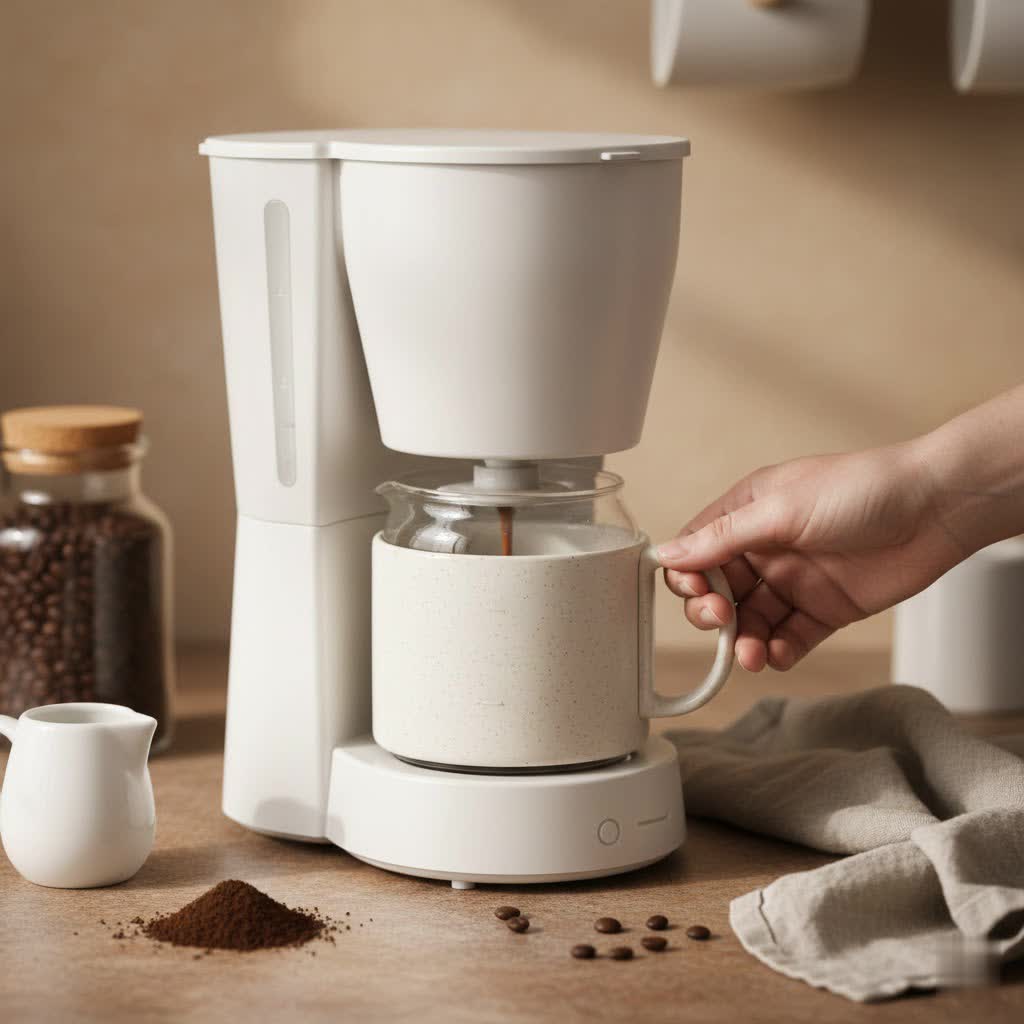
Drip coffee makers are the workhorses of many kitchens, known for their straightforward operation and ability to produce multiple cups of coffee with minimal effort. They work by heating water and showering it over a bed of ground coffee, which then drips through a filter into a carafe.
- Pros: Ease of use, large batch brewing capacity, consistent results, often affordable, minimal cleanup. They are ideal for households that consume several cups of coffee daily.
- Cons: Less control over brewing parameters (temperature, flow rate), can over-extract if not properly managed, coffee can taste burnt if left on a hot plate too long. For optimal flavor, models with precise temperature control and showerhead designs are superior.
- Usage and Maintenance: Simply add water to the reservoir, place a filter in the basket, add ground coffee, and press a button. Regular cleaning involves descaling every 1-3 months, washing the carafe, and cleaning the filter basket.
|
Our Picks for the Best Coffee maker in 2026
As an Amazon Associate I earn from qualifying purchases.
|
||
| Num | Product | Action |
|---|---|---|
| 1 | Mr. Coffee® 5-Cup Mini Brew Switch Coffee Maker, Black |

|
| 2 | Elite Gourmet EHC4128 Automatic 4-Cup Brew & Drip Coffee Maker with Pause N Serve, Glass Carafe, Reusable Filter, On/Off Switch, Keep Warm, Water Level Indicator, Black |
|
| 3 | Amazon Basics 5 Cup Drip Coffee Maker with Glass Coffee Pot (0.8 Qt), Auto Shut-off, Auto Pause, Removable Filter Basket, Matte Black |
|
| 4 | Keurig K-Mini Single Serve K-Cup Pod Coffee Maker, 6 to 12oz Brew size, with Cord Storage, Perfect for Small Spaces, Black |
|
| 5 | Mr. Coffee Black Coffee Maker, 12 Cups, with Auto Pause and Glass Carafe, Perfect for Home and Office Use |
|
| 6 | BLACK+DECKER 12-Cup Digital Coffee Maker, Programmable, Washable Basket Filter, Sneak-A-Cup, Auto Brew, Water Window, Keep Hot Plate, Black |
|
| 7 | Ninja 12-Cup Programmable Coffee Brewer, 2 Brew Styles, Adjustable Warm Plate, 60oz Water Reservoir, Delay Brew - Black/Stainless Steel |
|
| 8 | Hamilton Beach 2-Way Programmable Coffee Maker, 12 Cup Glass Carafe And Single Serve Coffee Maker, Black with Stainless Steel Accents, 49980RG |
|
| 9 | Cuisinart 12 Cup Brew Central Maker Coffee Maker, Black Stainless Steel, DCC-1200BKSNAS |
|
| 10 | Cuisinart 14-Cup Coffee Maker, Programmable PerfecTemp Glass Carafe Coffee Machine with 1-4 Cup Setting, Brew Strength Control and Pause, Stainless Steel, DCC-3200NAS |
|
Espresso Machines
Espresso machines are designed for the discerning coffee lover seeking concentrated shots of coffee, the foundation for lattes, cappuccinos, and other specialty drinks. They operate by forcing hot, pressurized water through a compacted bed of finely ground coffee.
- Pros: Produces rich, concentrated espresso shots with crema; versatility for milk-based drinks; allows for significant control over brewing (especially semi-automatic models). The robust flavor and intense aroma are unmatched by other methods.
- Cons: Higher cost, steeper learning curve, requires specific grind size, can be messy, takes up counter space. Achieving the perfect shot requires practice and quality equipment.
- Usage and Maintenance: Grind beans finely, tamp them firmly into the portafilter, attach to the machine, and activate the pump. Regular cleaning includes backflushing, descaling, and cleaning the steam wand after each use to prevent milk residue buildup.
Capsule Coffee Makers
Capsule coffee makers, often referred to as single-serve brewers, prioritize convenience and speed. They use pre-packaged coffee capsules or pods, which are pierced and brewed with hot water under pressure.
- Pros: Extreme convenience, minimal cleanup, consistent results with every brew, wide variety of beverage options. Perfect for busy individuals or households where different coffee preferences exist.
- Cons: Higher cost per cup, limited control over brew strength, environmental impact of disposable pods (though recyclable options exist), sometimes produces less intense flavor than fresh grounds. Flavor complexity can be limited by the pre-ground coffee in the capsules.
- Usage and Maintenance: Simply insert a capsule, fill the water reservoir, and select your cup size. Maintenance is minimal, typically involving descaling periodically and refilling the water tank.
French Press
The French press is a classic immersion brewing method, cherished for producing a full-bodied coffee with rich texture and nuanced flavors. It involves steeping coarse-ground coffee in hot water and then pressing a plunger to separate the grounds.
- Pros: Produces a rich, full-bodied coffee; retains more oils and sediments for a unique mouthfeel; no paper filters needed; relatively inexpensive. It offers a hands-on brewing experience.
- Cons: Requires coarse grind to avoid sludge; takes longer to brew than drip or capsule; can leave fine sediment in the cup if not carefully pressed. The lack of a paper filter means more fines in the cup.
- Usage and Maintenance: Add coarse-ground coffee and hot water, steep for 4 minutes, then slowly press the plunger. Cleanup involves discarding grounds and washing the carafe and plunger assembly.
Moka Pot
The Moka pot, a stovetop espresso maker, is beloved for its ability to produce a strong, concentrated coffee that bridges the gap between drip and espresso. It works by forcing boiling water pressurized by steam through ground coffee.
- Pros: Produces strong, rich, espresso-like coffee; compact and portable; relatively inexpensive; durable. It’s an iconic piece of Italian kitchenware.
- Cons: Requires stovetop heat; can produce bitter coffee if overheated; capacity is often small; requires a medium-fine grind specific to Moka pots. The brew is not true espresso, but a very strong coffee.
- Usage and Maintenance: Fill the bottom chamber with water, place ground coffee in the filter basket, screw on the top, and heat on the stovetop. Cleanup involves rinsing the pot and basket, ensuring no coffee oils build up.
Comparing Coffee Maker Types
Choosing the right coffee maker often comes down to balancing various factors. This table provides a quick comparison across key criteria.
| Feature | Drip Coffee Maker | Espresso Machine | Capsule Coffee Maker | French Press | Moka Pot |
|---|---|---|---|---|---|
| Price Range | $30 – $300 | $150 – $2000+ | $50 – $300 | $20 – $60 | $25 – $80 |
| Coffee Quality | Good, consistent | Excellent (rich, concentrated) | Good, consistent | Excellent (full-bodied) | Very Good (strong, intense) |
| Convenience | High (set it and forget it) | Medium (requires skill) | Very High (fast, easy) | Medium (manual effort) | Medium (stovetop) |
| Durability | Medium to High | High (especially high-end) | Medium | High (simple mechanics) | High (sturdy metal) |
| Ease of Cleaning | High (removable parts) | Medium (daily maintenance) | Very High (minimal parts) | Medium (grounds can be messy) | Medium (disassembly needed) |
| Ideal For | Daily multi-cup brewing | Specialty coffee lovers | Busy individuals, variety | Rich, textural coffee | Strong, concentrated coffee |
Key Features to Consider in a Coffee Maker
When selecting a coffee maker, going beyond the basic type to consider specific features can significantly enhance your brewing experience and the quality of your coffee.
Capacity
The capacity of a coffee maker refers to how much coffee it can brew in a single cycle. Drip coffee makers typically range from 4 to 12 cups, with some commercial models brewing even more. Single-serve machines, by definition, make one cup at a time. Espresso machines produce shots, usually one or two at once. Consider your household size and daily coffee consumption. A large family or frequent entertainer might prefer a 12-cup drip brewer, while a solo coffee drinker might find a smaller drip machine or a single-serve option more suitable.
Power
A coffee maker’s wattage indicates its heating power. Higher wattage generally means faster heating and more consistent water temperatures during brewing, which is crucial for proper extraction. For drip machines, consistent hot water (ideally between 195-205°F or 90-96°C) is essential to extract coffee solubles efficiently without burning them. Espresso machines also rely on powerful heating elements to achieve and maintain the high temperatures and pressures required for a perfect shot.
Pressure (for Espresso)
For espresso machines, pressure is paramount. True espresso requires water to be forced through coffee grounds at approximately 9 bars of pressure. Machines will often advertise 15-bar or 20-bar pumps, indicating the maximum pressure they can generate. While impressive, the consistency of delivery at around 9 bars is what truly matters for extracting a balanced, richly crema-topped shot. Look for machines that emphasize stable pressure profiles rather than just peak bar ratings.
Programmable Timer
A programmable timer allows you to set your coffee maker to brew at a specific time, ensuring a fresh pot is ready when you wake up. This feature is particularly common and cherished in drip coffee makers, offering unparalleled convenience for busy mornings. Some advanced models even allow programming via a smartphone app.
Keep Warm Function
Primarily found on drip coffee makers, the keep warm function utilizes a heated plate beneath the carafe to maintain the coffee’s temperature after brewing. While convenient, prolonged exposure to heat can “cook” the coffee, leading to a burnt or bitter taste. Thermal carafes, which keep coffee hot without continued heating, are often preferred for preserving flavor.
Filter
The type of filter used impacts both convenience and taste.
- Paper filters are disposable, offer easy cleanup, and remove more oils and sediments, resulting in a cleaner cup.
- Permanent filters (often gold-tone mesh) are reusable and eco-friendly, allowing more coffee oils to pass through for a richer, bolder flavor.
- Water filters (carbon or charcoal) are found in the water reservoir of some machines, improving coffee taste by removing impurities and chlorine from tap water.
Material
The materials used in a coffee maker affect its durability, aesthetics, and sometimes even the coffee’s taste.
- Plastic is lightweight and affordable but can sometimes impart a plastic taste, especially when new.
- Stainless steel is durable, easy to clean, and maintains heat well. It’s often used for internal components, housing, and thermal carafes.
- Glass carafes allow you to see the coffee level but are fragile and don’t retain heat as well as thermal carafes.
- Copper and brass are found in high-end or traditional espresso machines for their heat conductivity and classic appearance.
Top Coffee Maker Brands
The market is filled with reputable coffee maker brands, each known for specific strengths. Here are some of the most influential:
- Breville: Renowned for high-quality espresso machines and innovative features, often integrating grinders and frothers.
- De’Longhi: Offers a wide range of espresso machines, from entry-level to super-automatic, known for Italian design and performance.
- Technivorm Moccamaster: A Dutch brand famous for its handcrafted, SCAA-certified drip coffee makers that excel in temperature consistency and durability.
- Keurig: Dominates the single-serve market with its convenient pod systems, offering a vast array of beverage choices.
- Cuisinart: A popular choice for reliable and affordable drip coffee makers, often with programmable features.
- OXO: Known for thoughtfully designed kitchen tools, their coffee makers often feature precise temperature control and straightforward operation.
- Ninja: Offers versatile coffee makers capable of brewing multiple styles, from single-serve to full carafes, often with specialty brew options.
- Bodum: A Danish brand celebrated for its iconic French presses and other manual brewing methods.
- Bialetti: The creator of the classic Moka pot, synonymous with stovetop espresso.
Top 10 Coffee Makers of 2026: Our Handpicked Favorites
After extensive evaluation of performance, user experience, durability, and innovation, we’ve curated a list of the top 10 coffee makers poised to deliver exceptional home brewing in 2026.
- Technivorm Moccamaster KBGV Select (Drip): A gold standard for drip coffee, SCAA certified for its precise brewing temperature and optimal extraction. It delivers a consistently smooth and flavorful cup, built to last a lifetime.
- Breville Barista Express Impress (Espresso): This all-in-one semi-automatic espresso machine simplifies the home barista experience with an integrated grinder and intelligent tamping assistance, perfect for aspiring espresso enthusiasts.
- Keurig K-Cafe SMART (Capsule/Single-Serve): Blending convenience with smart technology, this Keurig model offers personalized brewing via a smartphone app, making lattes, cappuccinos, and iced beverages easier than ever.
- OXO Brew 9-Cup Coffee Maker (Drip): An SCAA-certified drip machine that ensures precise temperature and brew cycles for an optimal extraction. Its intuitive interface and sleek design make it a favorite for quality-conscious users.
- De’Longhi La Specialista Maestro (Espresso): Designed for serious home baristas, this advanced semi-automatic machine provides exceptional control over grinding, dosing, and milk frothing for truly customized espresso drinks.
- Ninja CFP301 DualBrew Pro System (Drip/Pod): A highly versatile machine that can brew both full carafes of drip coffee and single-serve pods, offering ultimate flexibility for various coffee needs.
- Cuisinart DCC-3200P1 Perfectemp (Drip): An excellent budget-friendly option, this programmable drip coffee maker consistently brews hot, flavorful coffee, and its large capacity is ideal for families or entertaining.
- Bodum Chambord French Press (French Press): A timeless classic, the Chambord remains a top pick for its ability to produce rich, full-bodied coffee. Its simple, elegant design and robust construction ensure a superior manual brew.
- Bialetti Moka Express (Moka Pot): The original and best Moka pot, this stovetop brewer delivers a strong, intense coffee similar to espresso, perfect for those who appreciate traditional Italian coffee culture.
- Zojirushi EC-YGC120 Fresh Brew Plus (Drip): This machine stands out for its vacuum-insulated thermal carafe, keeping coffee hot for hours without a warming plate, thus preserving its fresh taste.
Your Ultimate Coffee Maker Buying Guide
Navigating the vast selection of coffee makers can be daunting, but with a clear understanding of your needs and preferences, you can confidently choose the perfect machine.
Determine Your Brewing Needs
Start by honestly assessing your coffee habits. Do you prefer a quick cup on the go, or do you savor the ritual of crafting a gourmet beverage? Consider how many cups you typically drink daily and whether you primarily enjoy black coffee, espresso, or milk-based drinks. Your lifestyle—whether you’re a busy professional, a homebody, or a frequent entertainer—will dictate the level of convenience and capacity you require.
Set Your Budget
Coffee makers range from under $50 to well over $2,000. Establishing a budget early will help narrow down your options. Remember that the initial cost of the machine is just one aspect; consider the ongoing cost of coffee beans, pods, or filters. While a higher price often correlates with advanced features and durability, excellent options exist at every price point.
Research Different Coffee Maker Types
Familiarize yourself with the various brewing methods discussed earlier: drip, espresso, capsule, French press, and Moka pot. Each offers a distinct coffee experience. For instance, if you love lattes, an espresso machine is a must. If you value convenience above all, a capsule machine might be best. If you appreciate a robust, full-bodied cup and a hands-on approach, a French press could be your ideal.
Compare Brands and Models
Once you’ve identified the type of coffee maker that suits you, research reputable brands known for quality and customer satisfaction. Compare specific models within your chosen category, looking at features like capacity, programmable settings, integrated grinders, frothing wands, and carafe type (glass vs. thermal). Don’t just look for the most features, but the most relevant features for your needs.
Read User Reviews
User reviews offer invaluable real-world insights into a coffee maker’s performance, durability, and ease of use. Pay attention to common complaints or praises, especially regarding issues like reliability, cleaning difficulty, or flavor consistency. Look for patterns in reviews across multiple retail sites or review platforms.
Purchase from Reputable Retailers
Always buy your coffee maker from established retailers, either online or in-store. This ensures you receive a genuine product, benefit from warranty coverage, and have access to reliable customer service should any issues arise. Check return policies before purchasing.
Tips for Using and Maintaining Your Coffee Maker
To ensure your coffee maker continues to deliver delicious coffee and lasts for years, proper usage and maintenance are crucial.
Regular Cleaning
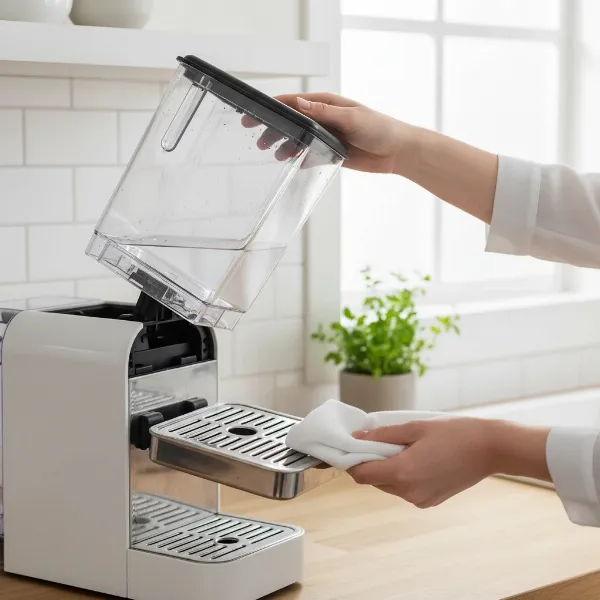
Cleaning your coffee maker regularly is paramount for both hygiene and taste. Coffee oils can build up and become rancid, imparting a bitter flavor to your brew. For most machines, this involves washing the carafe and filter basket daily. More importantly, descaling with a vinegar solution or a commercial descaling product should be done every 1-3 months, depending on your water hardness, to remove mineral buildup. This prevents clogs and ensures efficient heating.
Use Filtered Water
The quality of your water significantly impacts the taste of your coffee. Tap water often contains chlorine and other impurities that can detract from the flavor. Using filtered water not only results in a cleaner, better-tasting cup but also reduces mineral buildup in your machine, extending its lifespan. Some coffee makers come with integrated water filters, but an external filter pitcher works just as well.
Proper Storage
When not in use, ensure your coffee maker is clean and dry. Store it in a cool, dry place, preferably covered, to prevent dust accumulation. If you’re using a Moka pot or French press, ensure all components are thoroughly dry before reassembling to prevent mold or odors. For machines with water reservoirs, empty any remaining water after each use.
Troubleshooting Common Issues
Even the best coffee makers can encounter minor hiccups.
- Weak coffee: Check your grind size (it might be too coarse), coffee-to-water ratio, or ensure the machine is descaled.
- Coffee not brewing: Confirm the machine is plugged in, the water reservoir is full, and all parts are correctly assembled.
- Leaking: This could indicate a seal issue or an overfilled reservoir.
- Strange noises: Often a sign of mineral buildup, suggesting it’s time for a descaling. Consult your machine’s manual for specific troubleshooting steps.
Conclusion
Choosing the ideal coffee maker is a journey toward perfecting your daily ritual. By understanding the various types, considering essential features, and relying on reputable brands, you can confidently select a machine that not only meets your brewing needs but also elevates your entire coffee experience. Whether you prioritize convenience, artisanal quality, or robust flavor, the right coffee maker awaits to transform your kitchen into your favorite cafe.
What kind of coffee maker will you choose to brew your perfect cup in 2026?
Frequently Asked Questions
What are the benefits of an SCAA-certified coffee maker?
SCAA-certified (Specialty Coffee Association of America) coffee makers meet strict technical requirements for brewing quality, ensuring optimal water temperature (195-205°F), precise brew time, and proper extraction. This certification guarantees a consistently excellent cup of coffee, minimizing bitterness and maximizing flavor.
How often should I descale my espresso machine?
It’s recommended to descale your espresso machine every 1 to 3 months, or more frequently if you live in an area with hard water and use the machine daily. Regular descaling prevents mineral buildup, which can impair heating, reduce pressure, and ultimately damage your machine and affect coffee taste.
Can I use any ground coffee in a French press?
While you can use any ground coffee, a coarse grind is highly recommended for French presses. Finer grinds can lead to over-extraction, resulting in a bitter, sludgy cup, and can even clog the filter, making it difficult to press. A coarse, even grind allows for proper immersion and a clean separation of grounds.
What is the difference between a thermal carafe and a glass carafe?
A thermal carafe is insulated, typically made of stainless steel, and keeps coffee hot for several hours without needing a warming plate. This preserves the coffee’s flavor by preventing it from “cooking.” A glass carafe, while aesthetically pleasing, requires a warming plate to keep coffee hot, which can eventually lead to a burnt or bitter taste if left on for too long.
Are capsule coffee makers environmentally friendly?
While traditional single-use plastic capsules contribute to landfill waste, many brands now offer recyclable pods made from aluminum or specific plastics. Some companies also have dedicated recycling programs, and reusable, refillable capsules are available for certain machines. Choosing these options can significantly reduce the environmental impact of capsule coffee makers.