Imagine waking up to the rich aroma of freshly brewed coffee, only to take that first sip and be met with a weak, sour, or surprisingly bitter taste. More often than not, the culprit isn’t your beans or grind size, but something far more fundamental: the water temperature in your coffee maker. Achieving the perfect water temperature is a subtle art, yet it’s the single most impactful factor in unlocking the full potential of your coffee’s flavor profile. This guide will walk you through the critical role temperature plays and provide actionable strategies to ensure every cup you brew is simply perfect.
The Science Behind Perfect Coffee Water Temperature
At its core, coffee brewing is a chemical extraction process, where hot water acts as a solvent, dissolving desirable compounds from the ground coffee. The efficiency and quality of this extraction are meticulously governed by temperature.
The Specialty Coffee Association (SCA) and National Coffee Association (NCA) widely recommend an ideal brewing temperature range between 195°F and 205°F (90°C to 96°C). Within this “sweet spot,” water can effectively extract the aromatic oils, acids, and sugars that contribute to a balanced and flavorful cup.
What happens when the temperature deviates from this golden range?
- Water that is too hot (above 205°F) leads to over-extraction. This aggressive extraction pulls out undesirable, harsh-tasting compounds, often resulting in coffee that tastes excessively bitter, burnt, or overly strong. The delicate nuances of the bean can be completely masked by these unpleasant flavors.
- Water that is too cold (below 195°F) results in under-extraction. At lower temperatures, the water struggles to dissolve enough of the flavorful compounds. This leaves you with a weak, flat, and often sour-tasting brew, as the acidic components are extracted without the balancing sweetness and body.
Achieving this precise temperature allows for a harmonious balance of flavors, showcasing the inherent characteristics of your coffee beans without imparting undesirable notes.
Understanding Your Coffee Maker’s Temperature Control
The ability to control or maintain optimal water temperature varies significantly across different types of coffee makers.
Automatic Drip Coffee Makers
|
Our Picks for the Best Coffee maker in 2026
As an Amazon Associate I earn from qualifying purchases.
|
||
| Num | Product | Action |
|---|---|---|
| 1 | Ninja 12-Cup Programmable Coffee Brewer, 2 Brew Styles, Adjustable Warm Plate, 60oz Water Reservoir, Delay Brew - Black/Stainless Steel |

|
| 2 | BLACK+DECKER 12-Cup Digital Coffee Maker, Programmable, Washable Basket Filter, Sneak-A-Cup, Auto Brew, Water Window, Keep Hot Plate, Black |
|
| 3 | Cuisinart 12 Cup Brew Central Maker Coffee Maker, Black Stainless Steel, DCC-1200BKSNAS |
|
| 4 | Keurig K-Mini Single Serve K-Cup Pod Coffee Maker, 6 to 12oz Brew size, with Cord Storage, Perfect for Small Spaces, Black |
|
| 5 | Hamilton Beach 2-Way Programmable Coffee Maker, 12 Cup Glass Carafe And Single Serve Coffee Maker, Black with Stainless Steel Accents, 49980RG |
|
| 6 | Elite Gourmet EHC4128 Automatic 4-Cup Brew & Drip Coffee Maker with Pause N Serve, Glass Carafe, Reusable Filter, On/Off Switch, Keep Warm, Water Level Indicator, Black |
|
| 7 | Mr. Coffee Black Coffee Maker, 12 Cups, with Auto Pause and Glass Carafe, Perfect for Home and Office Use |
|
| 8 | Amazon Basics 5 Cup Drip Coffee Maker with Glass Coffee Pot (0.8 Qt), Auto Shut-off, Auto Pause, Removable Filter Basket, Matte Black |
|
| 9 | Cuisinart 14-Cup Coffee Maker, Programmable PerfecTemp Glass Carafe Coffee Machine with 1-4 Cup Setting, Brew Strength Control and Pause, Stainless Steel, DCC-3200NAS |
|
| 10 | Mr. Coffee® 5-Cup Mini Brew Switch Coffee Maker, Black |
|
Many standard automatic drip coffee makers, especially entry-level models, often struggle to reach and maintain the ideal brewing temperature throughout the entire cycle. They might start hot, but the water can cool significantly as it travels through tubes and comes into contact with colder coffee grounds or carafe, leading to under-extraction and a lackluster cup. Higher-end automatic drip machines, particularly those that are SCA-certified, are designed with more robust heating elements and improved water delivery systems to ensure consistent temperatures.
Espresso Machines
Espresso machines are often equipped with advanced temperature control mechanisms. Many modern models feature PID (Proportional-Integral-Derivative) controllers, which provide precise and stable temperature regulation. For espresso, the optimal brewing temperature typically falls within a slightly narrower range, often between 185°F to 203°F (85°C to 95°C), with slight adjustments sometimes recommended based on the roast level – darker roasts may benefit from slightly lower temperatures to reduce bitterness, while lighter roasts can shine with a touch more heat to bring out their vibrant acidity.
Manual Brewers (Pour-over, French Press, Moka Pot)
Manual brewing methods offer the most direct control over water temperature. When using a pour-over dripper, French press, or Moka pot, you are responsible for heating the water externally and pouring it. This allows you to measure and adjust the water temperature precisely before it ever touches the coffee grounds, giving you ultimate command over the extraction process.
The fundamental design of your coffee maker, the quality of its heating elements, and how it handles water distribution all play a pivotal role in its inherent ability to deliver water at the perfect brewing temperature.
Practical Strategies to Achieve Optimal Water Temperature
Regardless of your preferred brewing method, there are several steps you can take to ensure your water is always at the perfect temperature for brewing.
Invest in a Quality Kettle with Temperature Control
For manual brewing methods like pour-over, French press, or AeroPress, an electric kettle with precise temperature control is a game-changer. These kettles allow you to set the water to your exact desired temperature, often with a digital display for accuracy. A gooseneck kettle further enhances control for pour-over methods, providing a slow, even pour that minimizes heat loss and ensures consistent saturation of the coffee grounds.
Preheat Your Brewing Equipment
Always preheat your brewing vessel—whether it’s your coffee carafe, French press, or even your coffee mug—with hot water before you start brewing. This simple step prevents the colder surfaces from rapidly drawing heat away from your freshly brewed coffee, helping to maintain a stable temperature throughout the extraction and keeping your final beverage warmer for longer.
Maintain Your Coffee Maker Regularly
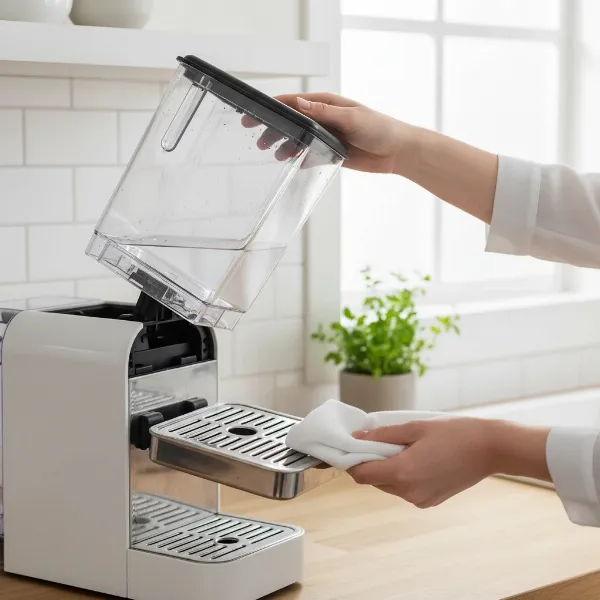
Mineral buildup, or scaling, is a common enemy of consistent water temperature, especially in areas with hard water. Limescale deposits can accumulate on heating elements and within water lines, creating an insulating barrier that prevents water from reaching the correct temperature efficiently.
Regular descaling, typically every 1-3 months depending on water hardness and usage, is crucial. Use a commercial descaling solution or a vinegar-water mixture (following your manufacturer’s instructions) to keep your machine’s internal components clear and functioning optimally. Using filtered water can also significantly reduce the rate of mineral buildup.
Choose the Right Coffee Maker
If you primarily use an automatic drip machine and consistently experience under-extracted or bland coffee, consider upgrading to an SCA-certified model. These machines are rigorously tested to meet specific performance standards, including maintaining the correct brewing temperature, ensuring even water distribution, and optimal brew time. For those seeking ultimate control and don’t mind a more hands-on approach, manual methods combined with a temperature-controlled kettle offer unparalleled precision.
Adjust for Roast Profile and Brew Method (Advanced)
As you become more attuned to brewing, you might experiment with slight temperature adjustments. Darker roasts can sometimes benefit from temperatures on the lower end of the 195-205°F range (e.g., 195-200°F) to prevent over-extraction of bitter compounds. Lighter roasts, with their more delicate and acidic notes, might shine brighter with water on the higher end (e.g., 200-205°F) to ensure full development of their complex flavors. For pour-over brewing, starting with water at the upper end of the range can compensate for the immediate heat loss that occurs when water contacts the ambient-temperature coffee grounds and brewing device.
Troubleshooting Common Water Temperature Issues
Even with the best intentions, your coffee maker might sometimes fall short on temperature. Here are common issues and how to address them:
- Coffee Tastes Consistently Weak or Sour: This is a classic sign of under-extraction due to water that is too cold. Check if your machine is descaled, consider preheating your carafe, or, for manual methods, verify your kettle’s temperature.
- Coffee Tastes Consistently Bitter or Burnt: This indicates over-extraction, likely from water that is too hot. For manual methods, ensure your water isn’t boiling directly before brewing. For automatic machines, it could signal a faulty thermostat or simply a machine that runs too hot.
- Machine Not Heating Water at All: This suggests a more serious mechanical issue. Common culprits include a faulty heating element, a malfunctioning thermostat, or a tripped thermal fuse (a safety mechanism). In such cases, professional repair or replacement of the machine is often necessary, as these are internal components requiring expertise.
- Slow Brewing or Uneven Flow: Clogs from mineral deposits can restrict water flow, indirectly affecting temperature consistency. Regular descaling is the primary solution here.
“Many home coffee makers simply don’t get hot enough. Investing in a quality kettle or an SCA-certified brewer is the simplest way to transform your daily cup.” – Admin, ReviewFav.com, Coffee Machine Expert
Conclusion
Achieving the perfect water temperature in your coffee maker is not just a detail; it’s a foundational element of exceptional coffee brewing. By understanding the ideal range of 195°F to 205°F, appreciating its impact on extraction, and implementing practical steps like investing in temperature-controlled kettles, preheating your equipment, and regular descaling, you can significantly elevate your daily coffee experience. Don’t let inconsistent temperatures stand between you and a truly delicious cup. With a little attention and care, you’ll be well on your way to brewing coffee that is consistently rich, balanced, and full of flavor.
What simple change will you make today to improve your coffee maker’s water temperature?
Frequently Asked Questions
What is the ideal temperature range for brewing coffee?
The ideal temperature range for brewing coffee, as recommended by the National Coffee Association, is between 195°F and 205°F (90°C to 96°C). This range ensures optimal extraction of desirable flavors and aromas without drawing out harsh or bitter compounds.
How does water temperature affect coffee flavor?
Water temperature directly impacts the rate and quality of coffee extraction. Too hot water leads to over-extraction, resulting in bitter or burnt flavors. Conversely, water that is too cold causes under-extraction, leading to a weak, sour, or flat-tasting coffee. The right temperature achieves a balanced flavor profile.
Can I use boiling water in my coffee maker?
No, using freshly boiling water (212°F or 100°C) is generally too hot for most coffee brewing methods, as it can over-extract the coffee and lead to a bitter taste. It’s best to let the water cool for about 30-60 seconds after boiling to reach the optimal 195-205°F range.
Why is my automatic drip coffee maker not hot enough?
Many automatic drip coffee makers struggle to reach and maintain the ideal temperature due to less powerful heating elements or heat loss in internal tubing. Common reasons include mineral buildup (scaling) on the heating element, a faulty thermostat, or simply the design limitations of the machine itself.
How often should I descale my coffee maker to maintain temperature?
To maintain optimal water temperature and machine performance, you should descale your coffee maker every 1 to 3 months. The frequency depends on the hardness of your water and how often you use the machine. Regular descaling prevents mineral buildup that can insulate the heating element and hinder proper heating.