For many, the morning coffee ritual transcends a mere routine; it’s a moment of reflection, a sensory awakening. While hot brews have their undeniable charm, the rise of cold brew has introduced a new dimension of flavor and experience. But what if your brewing device could be as captivating as the coffee it produces? Enter the Yama Glass Cold Brew Tower, a true centerpiece that marries scientific precision with breathtaking aesthetics. This comprehensive review will delve into every aspect of this iconic brewer, helping you decide if this visual masterpiece is the perfect addition to your coffee journey.
Unveiling the Yama Glass Cold Brew Tower
The Yama Glass Cold Brew Tower is more than just a coffee maker; it’s a testament to the Kyoto-style slow-drip brewing method, transforming a daily routine into an engaging spectacle. Unlike immersion cold brew methods where coffee grounds steep in water for extended periods, the Yama tower employs a meticulous drip process, extracting coffee one drop at a time. This method is often lauded for producing a cold brew with superior clarity and a nuanced flavor profile.
At its core, the Yama tower consists of three primary borosilicate glass chambers, elegantly supported by a sturdy wooden frame, typically available in black or brown. The uppermost chamber holds ice and cold water, which slowly drips through an adjustable brass valve. Below this, the middle chamber houses the ground coffee, where each drop of water meticulously saturates the bed. Finally, the extracted coffee then spirals through a delicate glass coil before collecting in the bottom decanter. This elaborate, almost laboratory-like setup is not just for show; it’s designed for precise control over the extraction process.
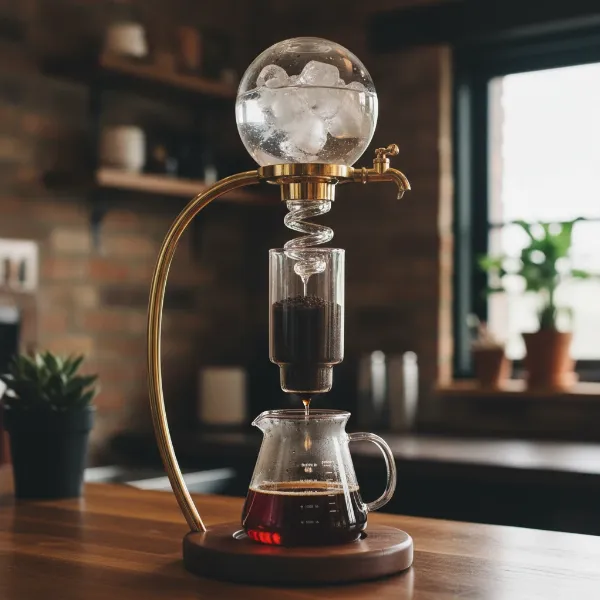 A stunning Yama Glass Cold Brew Tower, showcasing its multiple glass chambers and wooden frame, ready for brewing.
The Art of Slow Drip: Brewing with the Yama Tower
The slow-drip method employed by the Yama Glass Cold Brew Tower is celebrated for its ability to produce a unique and desirable coffee experience. This methodical approach highlights specific characteristics of the beans that might be lost in other brewing techniques.
Advantages of Yama’s Slow-Drip Method
|
Our Picks for the Best Coffee maker in 2026
As an Amazon Associate I earn from qualifying purchases.
|
||
| Num | Product | Action |
|---|---|---|
| 1 | Keurig K-Mini Single Serve K-Cup Pod Coffee Maker, 6 to 12oz Brew size, with Cord Storage, Perfect for Small Spaces, Black |

|
| 2 | Mr. Coffee Black Coffee Maker, 12 Cups, with Auto Pause and Glass Carafe, Perfect for Home and Office Use |
|
| 3 | Mr. Coffee® 5-Cup Mini Brew Switch Coffee Maker, Black |
|
| 4 | Hamilton Beach 2-Way Programmable Coffee Maker, 12 Cup Glass Carafe And Single Serve Coffee Maker, Black with Stainless Steel Accents, 49980RG |
|
| 5 | BLACK+DECKER 12-Cup Digital Coffee Maker, Programmable, Washable Basket Filter, Sneak-A-Cup, Auto Brew, Water Window, Keep Hot Plate, Black |
|
| 6 | Cuisinart 14-Cup Coffee Maker, Programmable PerfecTemp Glass Carafe Coffee Machine with 1-4 Cup Setting, Brew Strength Control and Pause, Stainless Steel, DCC-3200NAS |
|
| 7 | Ninja 12-Cup Programmable Coffee Brewer, 2 Brew Styles, Adjustable Warm Plate, 60oz Water Reservoir, Delay Brew - Black/Stainless Steel |
|
| 8 | Amazon Basics 5 Cup Drip Coffee Maker with Glass Coffee Pot (0.8 Qt), Auto Shut-off, Auto Pause, Removable Filter Basket, Matte Black |
|
| 9 | Cuisinart 12 Cup Brew Central Maker Coffee Maker, Black Stainless Steel, DCC-1200BKSNAS |
|
| 10 | Elite Gourmet EHC4128 Automatic 4-Cup Brew & Drip Coffee Maker with Pause N Serve, Glass Carafe, Reusable Filter, On/Off Switch, Keep Warm, Water Level Indicator, Black |
|
The Yama Glass Cold Brew Tower is renowned for delivering a coffee that is exceptionally bright and clean, a stark contrast to the deeper, sometimes heavier notes found in immersion cold brews. This method significantly reduces acidity and bitterness, resulting in a smoother, sweeter, and more refreshing cup. The slow extraction gently coaxes out the intricate flavor compounds, allowing the hidden notes of your chosen beans to truly shine through. Many users report an immediate caffeine kick and balanced brightness with sweetness, without any bitterness.
Beyond the exquisite taste, the Yama tower provides an unparalleled aesthetic experience. Watching the cold water slowly drip, permeate the coffee grounds, and then spiral down the intricate glass coil is a meditative process. It’s often described as a “visual masterpiece” or “functional art,” making it a conversation starter and an impressive display piece for any home or café.
Furthermore, surprisingly, the slow-drip method can actually yield a finished brew faster than many traditional immersion cold brew methods. While immersion typically requires 12-24 hours, a Yama tower can produce a delicious cold brew concentrate in 4-9 hours, with optimal results often achieved within 4-6 hours.
Potential Considerations and Challenges
While undeniably impressive, owning a Yama Glass Cold Brew Tower does come with a few considerations. The initial investment is significantly higher than most other home brewing methods, placing it in a premium category. Its substantial height (around 30 inches for the standard 6-8 cup model, and 44 inches for the 25-cup version) and intricate glass components also mean it requires a dedicated, safe space, away from high-traffic areas, to prevent accidental damage.
The all-glass construction, while beautiful, also makes the tower inherently fragile. Care must be taken during assembly, cleaning, and general handling to avoid breakage. Another aspect requiring attention is the drip rate. Maintaining a consistent drip of one drop every 1-2 seconds is crucial for optimal extraction. This often requires occasional monitoring and adjustment of the brass valve, as factors like barometric pressure can subtly influence the flow. If the water channels through the coffee grounds unevenly, some of the coffee may remain dry, leading to an inconsistent brew.
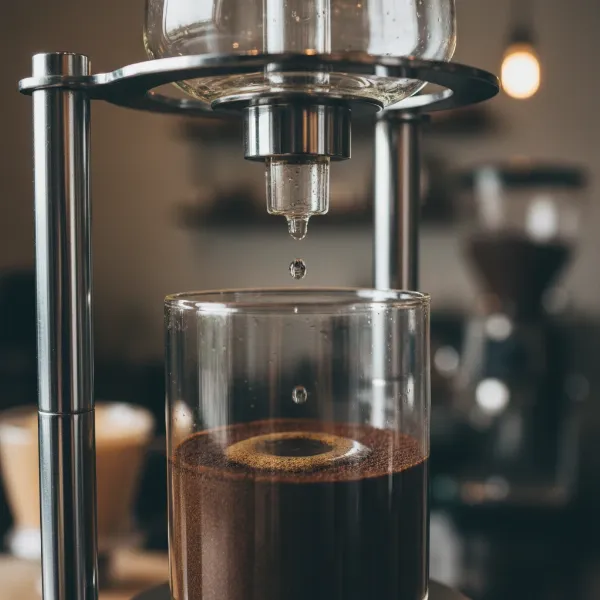 Close-up of the Yama Glass Cold Brew Tower's drip mechanism, showing water slowly falling onto coffee grounds.
Design, Materials, and Craftsmanship
The Yama Glass Cold Brew Tower is a prime example of form meeting function, with every element meticulously designed for both performance and visual appeal. The materials chosen speak volumes about its quality and heritage.
The primary brewing components—the water container, coffee chamber, spiral condenser, and decanter—are all crafted from high-quality, hand-blown borosilicate glass. This type of glass is renowned for its heat resistance and non-porous properties, ensuring a pure taste that isn’t tainted by residual flavors. The delicate yet durable glass is expertly shaped by master glass blowers, a tradition that Yama has maintained for decades.
Supporting these elegant glass pieces is a robust wooden frame, available in classic black or brown finishes. This natural element adds warmth and stability to the towering structure, making it a sophisticated addition to any kitchen or café countertop. The combination of wood, glass, and brass (for the drip valve) creates a striking piece of art that enhances the ambiance and often stimulates conversation.
Yama offers the cold brew tower in various capacities. The most common home model yields 6-8 cups, or approximately 32 ounces, of cold brew concentrate. Larger 25-cup versions are also available, often seen in commercial settings due to their impressive size (around 44 inches tall) and greater yield. A practical benefit of Yama’s design is the availability of easily replaceable glass and metal components, including beakers, coils, carafes, and lids, ensuring the longevity of your investment.
Mastering Your Brew: Usage and Customization
Achieving the perfect cold brew with your Yama tower is a rewarding process that combines simple steps with room for personal experimentation.
Step-by-Step Brewing Guide
- Assembly: Carefully assemble the wooden frame and place the glass components. Ensure the collection carafe is at the bottom, followed by the glass spiral condenser, and then the coffee chamber and water reservoir.
- Filter Placement: Insert a ceramic filter at the bottom of the coffee chamber’s narrow spout. Many experts also recommend placing a paper filter on top of the ceramic filter for improved filtration and to prevent fine grounds from clogging.
- Add Coffee Grounds: Use a medium to medium-fine grind. Add your desired amount of coffee grounds to the middle chamber, leveling them by gently tapping. For best results and to prevent channeling, try moistening the grounds slightly with a spray bottle as you add them in layers. Some guides recommend an AeroPress filter on top of the grounds for more even water distribution.
- Water and Ice: Fill the top water reservoir with ice and cold water. A common ratio is a 50:50 mix of ice and water for the total desired volume.
- Adjust Drip Rate: Open the drip valve completely for a few seconds to ensure the grounds are fully saturated, then adjust it to allow approximately one drip every 1 to 1.5 seconds. This slow, consistent drip is vital for proper extraction.
- Patience is Key: Allow the brewing process to unfold over 4-9 hours. Periodically check and readjust the drip rate as the water level decreases to maintain consistency.
Optimizing Flavor and Addressing Common Issues
To unlock the fullest potential of your Yama Glass Cold Brew Tower, experiment with different variables. Varying your coffee-to-water ratio can produce concentrates of different strengths, allowing you to dilute to your preference. Adjusting the grind size can also impact extraction; a slightly finer grind might extract more quickly, while a coarser grind could offer a lighter body.
> “Precision and patience are your allies in crafting the perfect cup with a Yama Tower. Regularly checking your flow rate and understanding how different grind sizes affect extraction will elevate your cold brew game.” – Admin, ReviewFav.com
To prevent channeling, where water carves paths through the coffee bed leaving some grounds dry, the pre-wetting technique is crucial. Additionally, ensure the coffee bed is level. While brewing, it’s best to aim for a total brew time under 6 hours to avoid over-extraction, which can lead to an “off taste.”
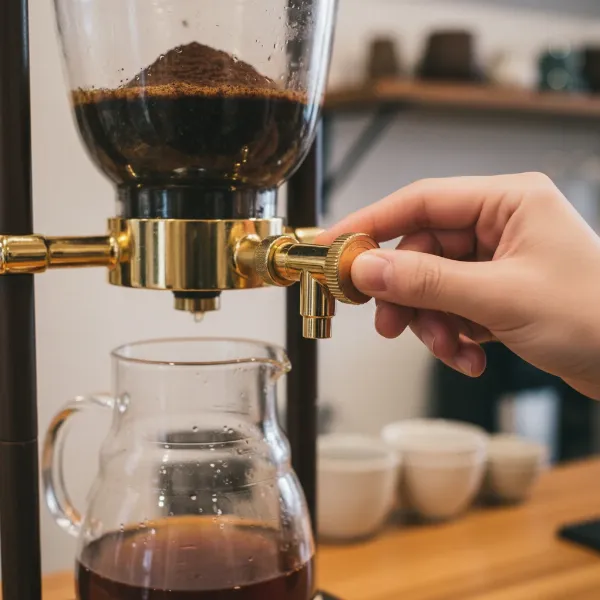 A person's hand precisely adjusting the drip valve on a Yama Glass Cold Brew Tower, with coffee grounds visible below.
Yama Tower vs. Other Cold Brew Methods
The world of cold brew offers various methods, each with its own advantages. The Yama Glass Cold Brew Tower, often referred to as a Kyoto-style or slow-drip brewer, stands distinct from common immersion methods.
| Feature | Yama Glass Cold Brew Tower (Drip) | Immersion Cold Brew (e.g., Toddy, Mason Jar) |
|---|---|---|
| Flavor Profile | Brighter, cleaner, less acidic, sweeter, with nuanced notes. | Deeper, fuller body, sometimes earthier, can have more bitterness. |
| Brew Time | 4-9 hours (often under 6 for best results). | 12-24 hours. |
| Complexity | Higher, requires careful drip rate adjustment. | Simpler, “set it and forget it” steeping. |
| Aesthetics | High-end, visually striking, “functional art.” | Typically utilitarian, functional design. |
| Footprint | Large, tall, requires dedicated counter space. | Compact, often fits in a refrigerator. |
| Materials | Hand-blown borosilicate glass, wood, brass. | Plastic, glass, silicone, often less premium. |
| Cost | High ($250+). | Low to moderate ($25-$180). |
While immersion methods provide a robust, full-bodied concentrate, the Yama tower delivers a lighter, more refined, and often brighter cup, akin to a well-made pour-over. Other Kyoto-style towers exist, such as the Nispira or Oji, but the Yama remains a benchmark for its craftsmanship and widespread recognition.
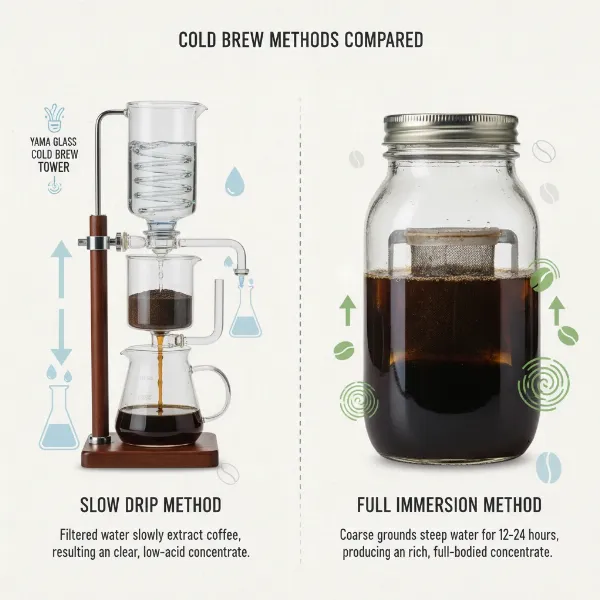 An illustrative comparison between a Yama Glass Cold Brew Tower and a simple immersion cold brew setup, highlighting their differences.
Is the Yama Glass Cold Brew Tower Right for You? (Buying Guide)
Investing in a Yama Glass Cold Brew Tower is a decision that extends beyond just making coffee; it’s about embracing an experience and a piece of functional art.
This tower is ideally suited for:
- Serious Coffee Enthusiasts: Those who appreciate the nuances of coffee flavors and are willing to experiment to achieve their ideal cup.
- Design-Conscious Individuals: People who value aesthetics and wish to incorporate a visually stunning piece into their kitchen or living space.
- Patience and Precision Lovers: The slow-drip method rewards those who enjoy a deliberate process and are comfortable with a degree of manual adjustment.
- Entertainers: Its captivating appearance makes it an excellent conversation starter when guests are present.
Before purchasing, consider your budget (these towers are a significant investment) and your available space. The height and fragility require a safe, dedicated spot. While the price might seem steep, many consider it justified by the exceptional clarity of the brew, the unique aesthetic, and the satisfying brewing process.
When looking to buy, you’ll find Yama Glass Cold Brew Towers at specialty coffee retailers, high-end kitchenware stores, and online marketplaces like Amazon. Ensure you purchase from a reputable seller to guarantee authenticity and good customer service. Don’t forget to factor in the cost of filters, which are not always permanent.
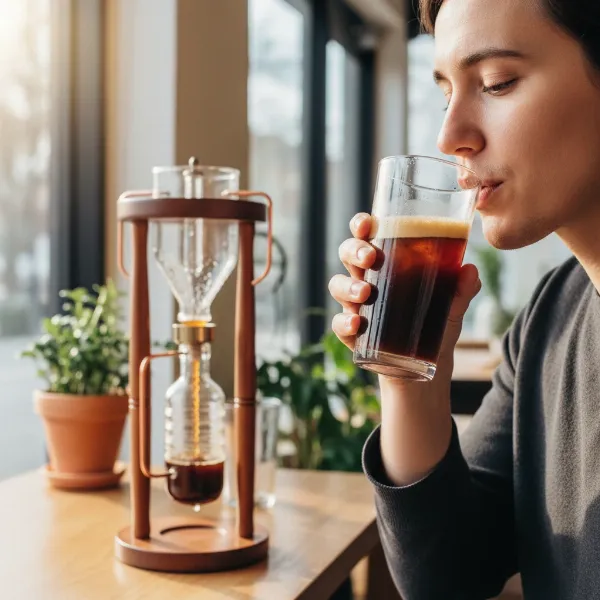 A person smiling while enjoying a glass of cold brew coffee, with a Yama Tower subtly in the background, suggesting a rewarding experience.
Care, Maintenance, and Longevity
Proper care and maintenance are paramount to ensuring your Yama Glass Cold Brew Tower remains a source of exceptional coffee and visual delight for years to come. Given its delicate construction, gentle handling is key.
All glass components are made from borosilicate glass and are generally listed as dishwasher safe. However, due to the deep and narrow design of some parts, machine washing might not reach all spots effectively, making hand washing a more thorough option. Use warm, soapy water and a soft brush to carefully clean all glass pieces, paying close attention to the spiral coil and the coffee chamber to remove any residue.
For the wooden frame, a simple wipe-down with a damp cloth is usually sufficient. Avoid harsh chemicals or excessive moisture, which can damage the wood. Ensuring the tower is kept in a stable location with minimal foot traffic will also help preserve its safety and integrity.
Should any glass or metal components get damaged, Yama offers readily available replacements, a testament to the brand’s commitment to longevity. Regularly inspecting the drip valve for proper function and replacing it if inconsistencies arise will maintain your brewing precision. With diligent care, your Yama Glass Cold Brew Tower can continue to produce exquisite cold brew and serve as a stunning focal point for many years.
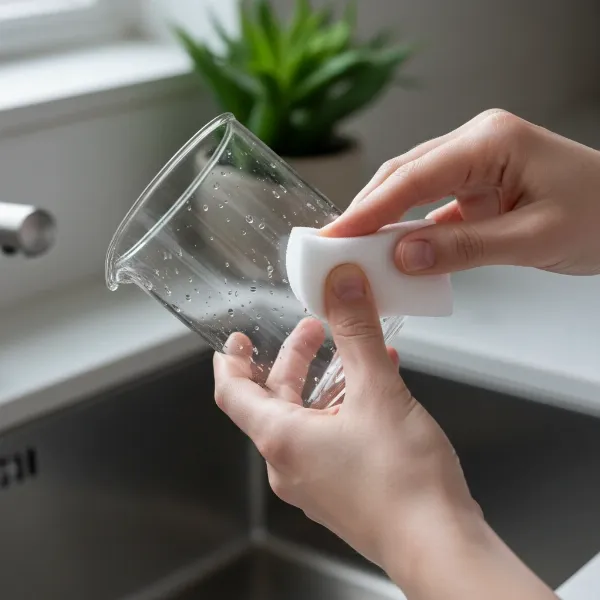 Someone carefully hand-washing a glass component of the Yama Cold Brew Tower, emphasizing gentle maintenance.
Conclusion
The Yama Glass Cold Brew Tower transcends its function as a mere coffee maker; it is an experience, an artistic statement, and a pathway to some of the most refined cold brew coffee available. While it demands a certain investment in both cost and counter space, the reward is a brew characterized by its exceptional brightness, clarity, and smoothness, along with the captivating visual dance of its slow-drip process. For the discerning coffee lover who values craftsmanship, aesthetics, and a truly unique brewing ritual, the Yama tower offers an unparalleled journey into the world of cold brew. Are you ready to elevate your coffee experience into a daily art form?
Frequently Asked Questions
How long does the Yama Cold Brew Tower take to brew?
The Yama Glass Cold Brew Tower typically takes between 4 to 9 hours to complete a brew, with many users finding optimal results within 4-6 hours. This is significantly faster than traditional immersion cold brew methods, which often require 12-24 hours.
What kind of coffee grounds should I use in the Yama Tower?
For best results, it is recommended to use medium to medium-fine coffee grounds. This grind size allows for optimal water flow and extraction through the coffee bed, preventing clogging while ensuring a balanced flavor profile.
Is the Yama Glass Cold Brew Tower difficult to clean?
Cleaning the Yama tower requires care due to its delicate glass components. While the glass pieces are technically dishwasher-safe, hand-washing with warm, soapy water and a soft brush is often more effective, especially for deeper sections.
What is the difference between cold drip and immersion cold brew?
Cold drip (like the Yama Tower) involves cold water slowly dripping through coffee grounds, yielding a brighter, cleaner, and less acidic concentrate. Immersion cold brew steeps grounds in water for a long time, resulting in a fuller-bodied brew.
Can I make hot coffee or tea with the Yama Glass Cold Brew Tower?
While primarily designed for cold brew coffee, the Yama Cold Brew Tower can also be used to make iced tea, offering versatility beyond just coffee. It is not designed for hot coffee brewing.
How much cold brew concentrate does a standard Yama Tower make?
A standard Yama Glass Cold Brew Tower (6-8 cup model) typically yields about 32 ounces (approximately 946 ml) of cold brew concentrate. Larger 25-cup models are also available for higher volume brewing.